


+86-13826948503 (Bella)
+86-18145725878 (Carven)

Author: Site Editor Publish Time: 2025-08-27 Origin: Site

The main difference between stranded vs solid wire comes down to structure and performance. Your choice impacts how well your project works and how long it lasts. Consider these points:
Stranded wire bends easily, perfect for places where you need flexibility and movement.
Solid wire stays firm and holds its shape, which works best for fixed setups.
Solid wire often costs less and handles stress better.
Stranded wire suits jobs that need more bending or vibration.
Stranded wire is very flexible and bends without breaking. This makes it good for places where things move a lot. Solid wire is stiff and keeps its shape well. It works best for things that do not move, like home wiring. Stranded wire can handle bending and shaking better than solid wire. Solid wire lasts longer when it does not have to move. Use stranded wire if you need something that can bend. Use solid wire if you want a strong and steady connection. Think about where and how you will use the wire. Stranded wire fits well in small or tight spaces. Solid wire works well outside or in places that do not move.
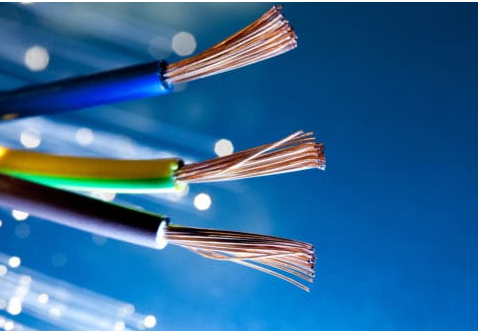
Stranded wire is different because of how it is made. Many small wires are twisted together to make one flexible wire. This makes stranded wire much easier to bend than solid wire. You can move and bend it, and it will not break easily. It is simple to fit into corners or tight spots.
Stranded wire bends and moves more than solid wire.
It does not break easily because the small wires share the force.
The bigger surface area can lower resistance and help electricity flow better.
If you need a wire that moves a lot, stranded wire is a good pick. It works well in places where wires must bend or twist. Huamao Electronics uses stranded wire in many custom cables and wire harnesses. Their team makes products for jobs that need both strength and flexibility.
Stranded wire is used in many fields. Its ability to bend and last a long time makes it popular in business and factories. Here are some ways people use it:
Builders use stranded wire, especially copper, in many building jobs.
Power systems use stranded wire because it carries electricity well and lasts long.
More people want stranded wire as the world needs more electricity.
You can also find stranded wire in cars, medical tools, and electronics. It is used where wires must move or handle shaking. Huamao Electronics makes special cables with stranded wire for tough jobs. Their products are safe and pass many tests to make sure they work well.
Tip: If your project needs a wire that bends or moves a lot, stranded wire is usually the best choice. It keeps working even after being bent many times.
Solid wire is easy to spot because it has a simple design. It uses one piece of copper that is not broken. This makes solid wire very stiff. When you put it in place, it keeps its shape. Solid wire cable does not bend much, so it works well where wires do not need to move.
Here is a table that shows how solid wire and stranded wire are different:
Wire Type | Structure Description | Rigidity Level | Flexibility Level |
|---|---|---|---|
Solid Wire | Made from one whole copper piece. | High | Low |
Stranded Wire | Made from many thin copper wires twisted together. | Low | High |
Solid wire cable has a smooth outside. It is simple to connect and join. The basic design helps you make strong links. You can use solid wire for lots of electrical jobs. The wire does not get damaged easily when you put it in. It lasts a long time in places where it stays still.
Note: Solid wire cable works best when you need the wire to stay put and not move.
Solid wire is used in many places where wires do not move. Electricians pick solid wire cable for wiring homes. You can use it in outlets, switches, and lights. The wire carries more power at normal levels, so it is great for home and building wiring.
Here are some reasons to use solid wire cable for setups that do not move:
Solid wire can carry more power than stranded wire with the same thickness.
It is easier to connect and join, so you get better links.
The wire does not get damaged easily when you put it in or fix it.
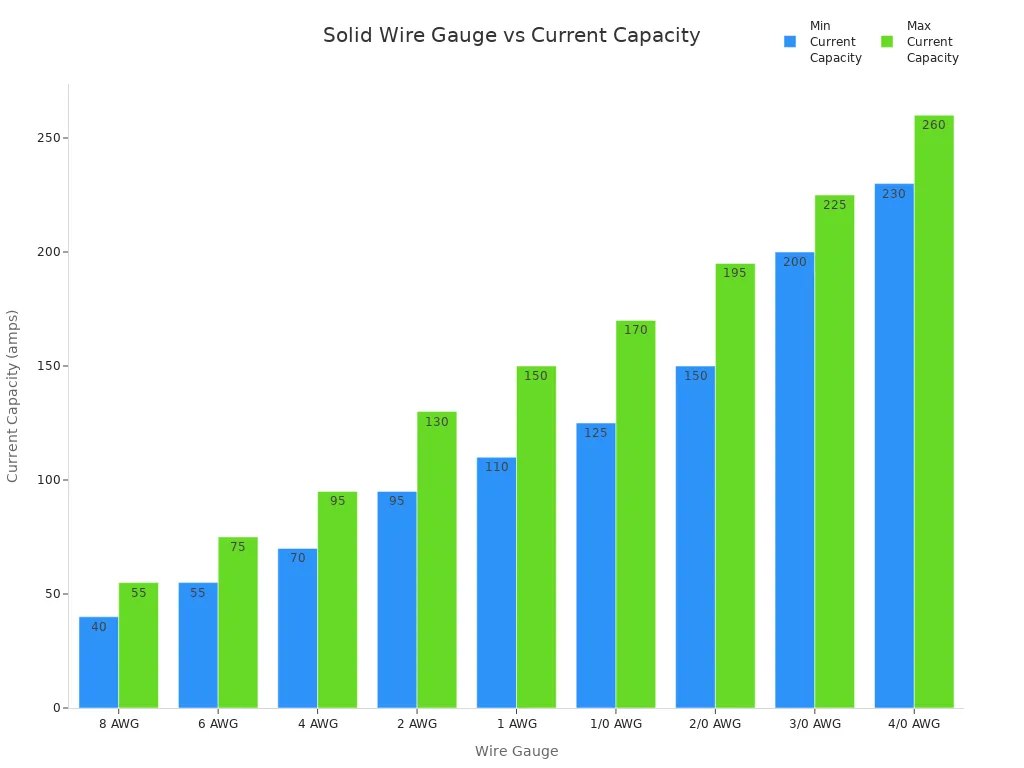
Solid wire cable is also used in big circuits and power systems. Here is a table that shows what different wire sizes are used for:
Wire Gauge | Common Use | Applications | Current Capacity |
|---|---|---|---|
8 AWG | Heavy-duty circuits | Electric furnaces, hot tubs, large HVAC systems | 40-55 amps |
6 AWG | Larger circuits | Electric stoves, solar panel systems, air conditioning | 55-75 amps |
4 AWG | Very high-current circuits | Service panels, welding equipment | 70-95 amps |
2 AWG | Power distribution | Subpanels, industrial machines | 95-130 amps |
1 AWG | High-power applications | Power transmission, backup systems | 110-150 amps |
1/0 AWG | Very high-current | Battery banks, welding cables | 125-170 amps |
2/0 AWG | Demanding applications | Main power lines, battery banks | 150-195 amps |
3/0 AWG | Large-scale distribution | Service entries, utility connections | 200-225 amps |
4/0 AWG | Most demanding power | Main service entry, industrial power systems | 230-260 amps |
Solid wire cable costs less for the same amount of power. It is great for places where wires stay in one spot and do not need to bend. You can count on solid wire cable for safe and strong links in your house or business. Huamao Electronics makes solid wire cable for many jobs, so you get good quality and safety.
Stranded wire is much easier to bend than solid wire. It can twist and move without breaking. This makes it great for places where wires need to move a lot or fit in small spaces. You can find stranded wire in things you carry, cars, and medical machines. Huamao Electronics uses stranded wire in their custom cables because it does not snap when moved often. Solid wire is stiff and does not bend much. People use solid wire inside walls or in control panels where the wire stays still.
Stranded wire works well where things move.
Solid wire cable is best when nothing moves.
How long a wire lasts depends on how tough it is. Stranded wire can handle shaking and bending. This helps stop it from breaking in cars, new energy machines, and factories. That is why new energy wire harnesses and flexible flat cables use stranded wire. Solid wire cable is very strong if it does not have to move. It does not rust or get damaged easily when it is safe inside walls or homes.
Characteristic | Stranded Wire | Solid Wire Cable |
|---|---|---|
Flexibility | High | Low |
Resistance to Fatigue | High | Moderate |
Durability in Installations | Moderate | High |
Solid wire cable lets electricity flow better and more evenly. It has one solid piece inside, so it has less resistance and can carry more power. This makes it the best pick for wiring buildings or sending power far. Stranded wire has a little more resistance because of the small gaps between the strands. This means it cannot carry as much power. But stranded wire is still good for jobs where wires move or need to work at high speeds, like in electronic cables.
Stranded wire is simple to put through tight or twisty spaces. Its bendy shape helps in tricky places, like in cars, medical tools, or machines. Huamao Electronics makes cable assemblies that are easy to install in hard spots. Solid wire cable is easier to push through straight pipes. It is good for jobs where the wire does not need to bend.
Stranded wire is good for tricky paths.
Solid wire cable is best for straight lines.
Solid wire cable is cheaper to make. It is used a lot in big jobs, like wiring houses or offices. Stranded wire costs more because it is made from many small wires. But it is worth it for jobs that need wires to bend and last a long time. We have both types, so you can pick what fits your needs.
Feature | Stranded Wire | Solid Wire Cable |
|---|---|---|
Cost | Higher | Lower |
Flexibility | High | Low |
Durability | Good for movement | Good for static use |
Stranded wire is found in car wires, medical cables, new energy harnesses, and flexible flat cables. These jobs need wires that bend and last. Solid wire cable is used in building wires, control panels, and places where wires do not move. Huamao Electronics makes special wire harnesses for many jobs. Their products are safe and have all the right certificates.
Tip: Pick the right wire for your project. This helps your project work better and keeps it safe.
When you pick stranded wire, you get a cable made from many thin wires twisted together. This design gives some good points and a few bad ones. Here is what you should know:
Pros:
Stranded wire bends easily. It fits in small spaces and handles movement well.
It does not break from bending or shaking. You can use it where things move a lot.
The surface area helps with high-frequency signals. This means it works well in electronics.
You can put stranded wire in tricky places fast. It is used in cars, medical tools, and flexible cables.
You can use stranded wire inside or outside. Many types have good insulation and can handle weather.
Cons:
Stranded wire costs more than solid wire. Making it is harder, so the price goes up.
You might lose more signal over long distances. Stranded wire is best for short runs, under 10-15 meters.
You need to check connections closely. The many strands can make joining and crimping harder.
Tip: If your project needs a wire that bends and lasts in busy places, stranded wire is a smart pick.
Solid wire uses one solid piece of metal. This simple design gives different good and bad points. Here is a clear list:
Pros:
Solid wire lets electricity flow better. You lose less signal, so it is great for long wires up to 100 meters.
Solid wire costs less. It is usually 10-20% cheaper for each foot than stranded wire.
You can put solid wire in straight lines or fixed spots. It keeps its shape and stays put.
Solid wire does not rust or wear out easily. You can use it in tough places and for jobs that last a long time.
You get strong, safe connections. Solid wire is used for building wires and control panels.
Cons:
Solid wire is stiff. You cannot bend it much or it might break.
It is hard to install in small or twisty spaces. Solid wire does not bend easily.
Solid wire is not good for places with lots of movement or shaking.
Here is a table that shows how both types compare:
Metric | Solid Wire | Stranded Wire |
|---|---|---|
Conductivity | Better conductivity, less signal loss, good for long wires (up to 100m) | More signal loss, best for short wires (under 10-15m) |
Flexibility | Stiff, not for bending, made for still setups | Very flexible, handles movement, good for busy places |
Cost | Usually 10-20% cheaper for each foot | Costs more because it is harder to make, but lasts in busy places |
Installation | Needs careful work, not for sharp bends | Easier to put in small spaces, fits many layouts |
Note: If you need a wire for a job that does not move, solid wire is the best choice.
You can see the difference between stranded and solid wire by looking at price, how well they work, and where you use them. Stranded wire is best for places where things move and need to bend. Solid wire is best for long wires that stay in one spot. Always pick the right wire for your project to get the best results.
You need to pick the right wire for your project. Think about how long the cable needs to be. Longer cables should be thicker to work well. If you want a wire that bends, stranded wire is best. It is good for moving parts or small spaces. Solid wire is better if the wire will not move. Use it for things like home wiring or control panels.
Here is an easy guide to help you choose:
Measure how long your cable will be. Longer cables need to be thicker.
Pick the right wire gauge for your power needs. Thicker wires carry more electricity.
Decide if you need the wire to bend. Stranded wire is for moving parts. Solid wire is for wires that stay still.
Choose the right insulation. For outside or underground, use waterproof or UV-protected cable.
Use cables with different colors. This helps you stay safe and know which wire is which.
Huamao Electronics makes special wire harnesses and cable assemblies. They help you find the best cable for your job. Their team makes sure the cable fits what you need.
Where you put your cable is important. Wetness, heat, and weather can change what wire you need. Stranded wire bends easily but can rust if it gets wet. Solid wire does not rust much and is good for outside or underground.
Type of Wire | Advantages | Disadvantages |
|---|---|---|
Stranded | Bends easily, simple to put in place | Can rust if it gets wet |
Solid | Strong, does not rust easily | Does not bend |
If you need a cable for outside, pick solid wire with strong insulation. For inside or places where wires move, stranded wire is better. Always think about where you will use the cable before you choose.
What you need will help you pick the right cable. If you want easy setup and a cable that lasts, choose one that fits your project. Some people need cables for big machines. Others need bendy cables for electronics or medical tools. There are many choices, so focus on safety, how well it works, and if it is certified.
Huamao Electronics cares about quality. They test every wire to meet strict rules like IPC/WHMA-A-620, ISO 9001, UL, and ISO 13485. Their team makes custom wire harnesses for cars, medical jobs, and new energy projects. You get cables that fit your needs and pass tough tests.
"I picked Huamao Electronics for my custom cable. The team helped me choose the right wire. They made sure it was safe and had all the right certificates. My project worked great!" — Satisfied Customer
Want to find the best cable for your job? Contact Huamao Electronics for help and custom cables.
You should pick the right wire for your project. Solid wire is good for wiring homes and long wires. It is strong and saves money. Stranded wire is better for cars and places that need bending. It bends without breaking. Look at this table for quick ideas:
Scenario | Best Choice |
|---|---|
Home Wiring | Solid Wire |
Automotive | Stranded Wire |
Flexible Applications | Stranded Wire |
Think about what you need before you choose. Always check if the wire has the right safety certificates. Good choices help your project last and keep it safe.
You will notice that stranded wire uses many thin strands twisted together. Solid wire has just one solid piece. Stranded wire bends easily. Solid wire stays firm and holds its shape.
You should use solid wire for most home wiring. It fits well in walls and outlets. Stranded wire works better in places where you need more movement or flexibility.
Stranded wire lasts longer when you need to bend or move it often. The many strands help prevent breaks. You can use it in cars, machines, or tools that move a lot.
You need to think about where you will use the wire. If you want it to stay still, pick solid wire. If you need it to bend or move, choose stranded wire. Always check safety rules before you start.
