


+86-13826948503 (Bella)
+86-18145725878 (Carven)

Author: Site Editor Publish Time: 2025-11-11 Origin: Site

In the world of electronics manufacturing, automotive systems, industrial equipment, and telecommunications, terms like wire harness and cable assembly are frequently used — sometimes interchangeably. However, using these terms incorrectly or choosing the wrong type of interconnection system can lead to significant performance issues, increased costs, or reduced reliability. Understanding the differences between these two types of electrical assemblies is critical for engineers, system integrators, and OEMs seeking durable and efficient solutions.
A wire harness and a cable assembly may appear similar at first glance: both involve grouping wires or cables to transmit power or signals. Yet, they are designed with different applications, durability requirements, and customization capabilities in mind. Selecting the appropriate solution ensures optimal functionality, protects sensitive components, and reduces maintenance needs.
A wire harness is one of the most common and fundamental components in electrical and electronic systems. Essentially, it consists of multiple wires or cables bundled together using ties, sleeves, or basic protective coverings. The primary purpose of a wire harness is to organize and route electrical wiring efficiently while providing minimal protection against physical or environmental stress.
Wire harnesses typically include the following elements:
Multiple wires or cables: These are usually standard gauge wires suited for low- to medium-voltage applications.
Bundles or sleeves: Wire ties, loom tubing, or fabric sleeves are used to keep the wires organized and reduce clutter.
Connectors or terminals: Simple connectors or pins allow for easy integration with switches, sensors, or other electrical devices.
The primary functions of a wire harness include:
Organizing and routing electrical wiring efficiently
Simplifying assembly and maintenance
Providing basic protection against wear or abrasion
Wire harnesses are commonly used in environments where the wiring is relatively protected from extreme mechanical or environmental stress. Examples include:
Automotive interiors: Behind dashboards or inside vehicle doors where wires are shielded from external elements.
Home appliances: Internal wiring for washing machines, refrigerators, or air conditioning units.
Industrial machinery: Wiring within control panels or enclosures where physical protection is adequate.
Cost-effective
Basic protection for wires
Suitable for low-stress, internal applications
While wire harnesses provide a practical solution for organized wiring, they are generally not engineered for high-performance, harsh, or high-speed applications.
A cable assembly, on the other hand, is a more advanced, engineered interconnection system designed for demanding applications. A cable assembly integrates wires or cables with connectors, terminals, shielding, and protective jackets to ensure durability, signal integrity, and reliable performance in challenging environments.
Cable assemblies typically include:
Conductors and multi-core cables: High-quality copper or other conductive materials
Connectors: Molded, IDC, LVDS, or specialized connectors for specific applications
Protective jackets and shields: Provide mechanical strength, environmental resistance, and EMI protection
Custom housings or overmolding: Enhance durability and ensure secure connections
Cable assemblies are engineered to:
Transmit electrical power and high-speed data signals reliably
Protect wires and connectors from mechanical stress, vibration, moisture, dust, and electromagnetic interference
Maintain signal integrity in high-frequency or high-speed data transmission
Cable assemblies are used in environments where wire harnesses might fail due to environmental, mechanical, or electrical demands, including:
Automotive engine compartments
Industrial automation and robotics
High-speed telecommunications and networking
Consumer electronics requiring precise signal transmission
High mechanical and environmental protection
Enhanced signal integrity
Customizable for specific client requirements
Suitable for harsh, high-performance, or high-speed applications
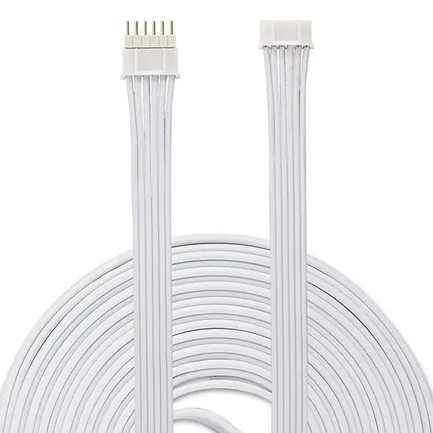
Understanding the distinctions between wire harnesses and cable assemblies is essential for engineers, OEMs, and system designers who need to select the right interconnection solution for their projects. While both serve the purpose of connecting electrical components, they differ significantly in several key aspects: structure, application environments, customization options, and overall performance.
Wire Harness: Primarily consists of multiple individual wires bundled together using ties, sleeves, or simple protective coverings. It provides basic organization and limited mechanical protection, which is generally sufficient for controlled or low-stress environments.
Cable Assembly: A fully engineered interconnection solution that typically includes heavy-duty jackets, shielding, molded connectors, and sometimes overmolding. These construction enhancements improve durability, mechanical stability, and resistance to environmental factors, allowing cable assemblies to maintain reliable connections under demanding conditions such as vibration, tension, or exposure to contaminants.
Wire Harness: Best suited for low-stress or protected environments. Typical applications include internal wiring of household appliances, simple industrial control panels, or vehicles’ interior systems where temperature fluctuations and mechanical stress are minimal.
Cable Assembly: Designed for harsh and demanding environments. They can withstand extreme temperatures, high humidity, electromagnetic interference (EMI), vibration, and exposure to moisture or chemicals. Common use cases include automotive engine compartments, industrial automation equipment, outdoor telecommunications, and high-speed data systems.
Wire Harness: Generally standardized, designed primarily for organizing and routing wires efficiently. Its simple, modular design allows for quick installation but offers limited adaptability.
Cable Assembly: Highly customizable, enabling engineers to specify connector types, cable gauges, shielding, lengths, overmolding, and environmental protection features according to precise project requirements. This flexibility makes cable assemblies suitable for specialized industries such as automotive, aerospace, medical devices, and telecommunications.
Wire Harness: Adequate for simpler applications with low mechanical and environmental stress.
Cable Assembly: Provides superior durability, maintains high-speed signal integrity, and offers robust protection against mechanical and environmental stress. They ensure reliable data transmission in LVDS systems, safeguard sensitive components in industrial machinery, and guarantee longevity under demanding conditions.
Choosing between a wire harness and a cable assembly largely depends on the specific requirements of your application. While wire harnesses are sufficient for low-stress, internal wiring, cable assemblies are designed to deliver superior performance and reliability in demanding environments. Several key factors should guide this decision.
Environmental Conditions: Cable assemblies are ideal for applications exposed to extreme temperatures, continuous vibration, moisture, dust, or chemical exposure. Their robust jackets, shielding, and overmolded connectors provide mechanical and environmental protection that standard wire harnesses cannot match.
Electrical Performance: For high-speed data transmission, high-current power delivery, or sensitive signal lines, cable assemblies ensure consistent signal integrity. Features such as shielding, twisted pairs, and precision connectors minimize interference and signal loss, making them essential in telecommunications, networking, and high-performance electronics.
Maintenance and Reliability: Applications that cannot tolerate downtime, such as industrial automation systems or mission-critical automotive electronics, benefit from the rigorous testing and quality assurance inherent in cable assembly manufacturing. Durable assemblies reduce maintenance needs and extend system lifespan.
Customization Requirements: Many modern applications require unique connector types, specific cable lengths, specialized shielding, or environmental resistance. Cable assemblies can be fully customized to meet these specifications, providing tailored solutions for automotive, medical, industrial, and military applications.
Example Use Cases:
Automotive engine compartments: Cable assemblies handle vibration, temperature fluctuations, and chemical exposure far better than wire harnesses.
High-speed networking and telecommunications: LVDS or IDC cable assemblies maintain signal integrity over long distances and at high frequencies.
Outdoor industrial installations: Cable assemblies resist moisture, dust, and corrosion, outperforming wire harnesses in harsh environments.
In contrast, controlled, low-stress environments — such as simple control panels or internal appliance wiring — may still rely on wire harnesses. However, for high-performance, high-reliability, or harsh-environment scenarios, cable assemblies are the clear choice to ensure safety, durability, and optimal system performance.
While wire harnesses and cable assemblies both organize and connect electrical wiring, their design, functionality, and durability differ significantly. Wire harnesses are cost-effective solutions for protected, low-stress applications, whereas cable assemblies are engineered for harsh conditions, high-speed data transmission, and custom requirements.
Selecting the right system is critical for ensuring system reliability, performance, and long-term cost efficiency. For industries like automotive, industrial automation, telecommunications, and consumer electronics, investing in high-quality cable assemblies can prevent failures, improve operational efficiency, and support mission-critical applications.
Huamao Cable specializes in providing precision-engineered, durable, and customizable cable assembly solutions. With expertise in molded, IDC, LVDS, and custom cable assemblies, Huamao Cable delivers products that meet the highest standards of performance, durability, and reliability.
Contact Huamao Cable today for tailored cable assembly solutions that ensure your systems perform safely, efficiently, and reliably — connecting your technology to the future.
1. What’s the main difference between a wire harness and a cable assembly?
A wire harness is a simple bundle of wires for organization and routing, offering basic protection.
A cable assembly adds connectors, shielding, and jackets for higher durability and performance in harsh environments.
2. When should I choose a cable assembly instead of a wire harness?
Use a cable assembly for environments with vibration, heat, or moisture—like automotive engines, robotics, or outdoor telecom—where greater mechanical and electrical protection is required.
3. Why is shielding important in cable assemblies?
Shielding blocks electromagnetic interference (EMI), maintaining clean, stable signals in high-speed or sensitive electronic systems.
4. Can cable assemblies be customized?
Yes. They can be tailored for specific connectors, lengths, insulation, overmolding, and environmental resistance to meet exact project needs across automotive, medical, and industrial sectors.
5. Why choose Huamao Cable?
Huamao Cable designs precision-engineered, ISO-certified assemblies with strict testing and custom options, ensuring reliable, high-performance connectivity for demanding applications.
