


+86-13826948503 (Bella)
+86-18145725878 (Carven)

Author: Site Editor Publish Time: 2026-02-20 Origin: Site

Hot spots along a cable run, small nicks in insulation, cracking near connectors, or power that cuts in and out without warning are all symptoms engineers and maintenance teams encounter sooner or later. These issues often trigger urgent searches for solutions, especially when equipment downtime or safety concerns are involved. Although silicone cables are widely recognized for high performance, flexibility, and thermal stability, failures can still occur when predictable risk factors are ignored. Huamao Electronics supplies silicone cable products for demanding applications, and real-world experience shows that most failures are not random events but the result of identifiable causes that can be addressed with correct design, installation, and maintenance practices.
One of the most common misconceptions surrounding cable failure is the assumption that a high temperature rating alone guarantees safe operation. Silicone cables are frequently selected for environments with elevated ambient temperatures, but insulation rating and current capacity are two different considerations. A cable rated for high temperature can still overheat if the electrical current exceeds what the conductor can safely carry under real operating conditions.
As ambient temperature rises, the cable’s ability to dissipate heat decreases. This phenomenon is often described as derating. In practical terms, a hotter environment leaves less margin for current flow before the conductor temperature rises to unsafe levels. Even with silicone insulation that withstands heat well, excessive conductor temperature can accelerate aging, reduce insulation life, and increase the risk of failure.
Overheating rarely happens without warning. Common indicators include discoloration of insulation, a persistent odor near cable runs, or protective devices that trip repeatedly under normal load. These signs suggest that the cable is operating too close to its limits. Addressing the underlying cause early, whether by reducing load, improving ventilation, or selecting a more suitable conductor size, prevents minor issues from escalating into major failures.
Silicone insulation offers excellent flexibility and thermal performance, but it is not immune to mechanical damage. Compared to harder insulation materials, silicone rubber can be more susceptible to abrasion or tearing when exposed to sharp edges or continuous rubbing. In crowded enclosures or industrial settings, cables often run close to metal frames, brackets, or fasteners, creating conditions where slow, unnoticed wear can occur.
Abrasion damage typically develops gradually. A cable may appear intact during routine checks while insulation thickness is steadily reduced at a single contact point. Eventually, the damage becomes severe enough to expose conductors or cause intermittent faults, often at inconvenient times.
Preventing abrasion-related failures does not require complex solutions. Simple measures such as edge protection, protective sleeving, clamps, or minor route changes significantly reduce risk. Identifying high-risk contact points during installation and addressing them immediately is far more effective than reacting after insulation has already been compromised.
Terminations are among the most common failure points in any cable system. A poorly executed crimp creates high resistance and weak mechanical strength, while an otherwise good crimp can still fail if the conductor is subjected to repeated movement without adequate support. In both cases, the result is often intermittent power or complete loss of connection.
In compact systems or vibrating environments, conductors near terminations experience constant micro-movements. Over time, this leads to metal fatigue and eventual breakage inside the insulation, even though the exterior of the cable may look undamaged.
Effective strain relief reduces mechanical stress before it reaches the termination. Service loops allow movement to be absorbed gradually rather than concentrated at a single point. Tie-down points and clamps secure the cable in a controlled manner, preventing pull-out and reducing conductor fatigue. These measures are especially important in applications where cables are connected to moving panels, doors, or components that require frequent servicing.
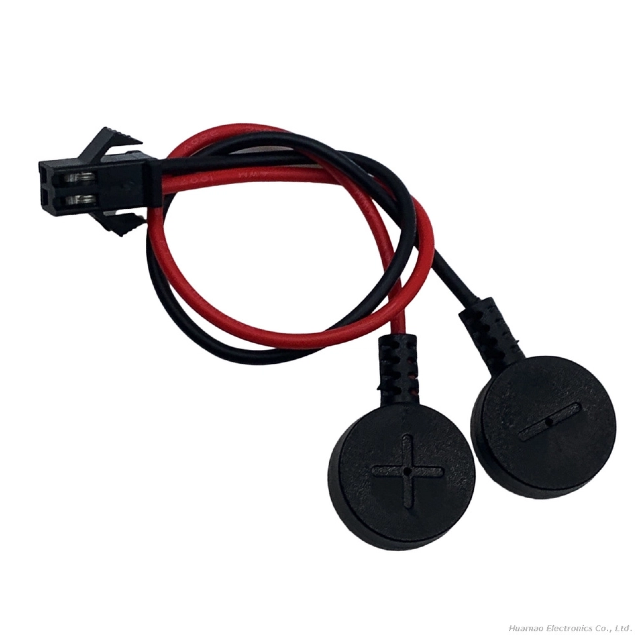
Moisture-related failures are often misunderstood. Water rarely penetrates intact insulation directly; instead, it enters through connectors, gaps, or along capillary pathways created by damaged insulation. Once moisture reaches the conductor, corrosion can begin, increasing resistance and leading to overheating or signal instability.
Outdoor and industrial environments increase the likelihood of moisture exposure, but indoor systems are not immune. Condensation, wash-down procedures, or leaks can introduce water into cable assemblies if proper sealing is not in place.
Addressing moisture issues requires a system-level approach. Seals, cable glands, and properly rated connectors prevent water ingress at termination points. Drip loops redirect water away from connectors, reducing the chance of moisture entering the cable path. It is also important to recognize that moisture-resistant insulation is not the same as direct-burial or fully waterproof design. Clear understanding of environmental exposure ensures silicone cables are used within appropriate limits.
Silicone insulation is commonly selected for environments where oils, solvents, or cleaning agents are present. It generally performs well under exposure to many industrial contaminants, maintaining flexibility and insulation properties where other materials degrade. This makes silicone cables suitable for workshops, processing facilities, and equipment subjected to routine cleaning.
However, not all chemicals affect insulation materials equally. Strong hydrocarbons, steam, or aggressive cleaning processes can still pose risks. Verifying chemical compatibility during design helps prevent unexpected degradation and ensures long-term reliability.
Where chemical exposure is unavoidable, practical containment measures help protect cables. Routing cables away from drip lines, adding barriers or shields, and scheduling inspections after intensive cleaning cycles all contribute to longer service life. Silicone cables provide a strong foundation, but thoughtful layout and protection complete the solution.
Routine inspection is one of the most effective tools for preventing cable failures. A monthly visual check can identify early signs of trouble such as discoloration, surface wear, loose clamps, or damaged strain reliefs. These inspections do not require specialized equipment and can be integrated into regular maintenance schedules.
Not every issue requires immediate replacement. Minor abrasion or stress can often be resolved by re-routing the cable or adding protection. Replacement becomes necessary when insulation damage exposes conductors, corrosion is visible, or repeated overheating has degraded the cable. Clear decision logic helps maintenance teams allocate resources effectively while maintaining safety and reliability.
Symptom | Likely cause | Quick fix | Long-term prevention |
Hot spots | Excess current or poor ventilation | Reduce load or improve airflow | Proper derating and conductor sizing |
Insulation wear | Abrasion at contact points | Add sleeve or edge guard | Route planning and protection |
Intermittent power | Loose or fatigued termination | Re-crimp or secure cable | Strain relief and service loops |
Corrosion | Moisture ingress | Dry and reseal connectors | Sealed routing and drip loops |
Soft or damaged insulation | Chemical exposure | Clean and isolate area | Verify compatibility and shielding |
Most silicone cable failures are not caused by the material itself but by predictable issues related to overheating, abrasion, termination stress, moisture ingress, or chemical exposure. When routing is planned carefully, protection is applied where needed, and regular inspection is performed, these failures can be largely prevented. Huamao Electronics supports customers by supplying silicone cable products designed for flexibility, thermal stability, and reliable electrical performance in demanding environments. When combined with correct installation and maintenance practices, high temperature silicone wiring systems deliver long service life and dependable operation. If you are experiencing cable issues or want to prevent future failures, contact us with photos or application details so we can help recommend suitable silicone cable configurations for your needs.
Why do silicone cables still fail in high-temperature environments?
Failures often result from excessive current or poor ventilation rather than insulation limits. Proper derating and conductor sizing are essential.
What is the most common cause of silicone cable damage?
Abrasion at sharp edges or vibration points is one of the most frequent causes, especially when cables are left unprotected.
How can moisture cause problems if silicone insulation is moisture-resistant?
Moisture typically enters through connectors or damaged areas, not directly through intact insulation. Sealing and routing are critical.
When should a damaged silicone cable be replaced instead of repaired?
Replacement is recommended when conductors are exposed, corrosion is present, or insulation degradation affects electrical safety.
