


+86-13826948503 (Bella)
+86-18145725878 (Carven)


Modern electrical systems rely on more than just individual wires to function reliably. As products become more complex, the need for organized, protected, and efficient wiring grows quickly. This is where a cable harness assembly plays a critical role. By bundling multiple wires into a single, structured unit, it helps manage power and signal transmission while improving safety, durability, and installation efficiency.
From vehicles and industrial machinery to electronics and smart devices, cable harness assemblies support countless applications behind the scenes. Understanding what a cable harness assembly is, how it is designed and manufactured, and how to choose the right solution can help engineers, buyers, and manufacturers make better decisions and avoid costly wiring problems.
A cable harness assembly is a structured group of wires or cables combined into one organized unit. It connects electrical components while keeping wiring protected and easy to manage. Instead of loose conductors, everything stays routed, secured, and controlled.
The main goal is simple: keep wires working safely together. It organizes complex wiring systems so installers can work faster. It reduces damage from movement, friction, and environmental stress. It also lowers the chance of shorts, signal loss, or system failure.
Key purposes include:
Organizing multiple wires into one layout
Protecting conductors from wear and vibration
Saving space inside equipment or vehicles
Making installation and maintenance easier
Each wire inside the harness has a specific job. Some carry electrical power. Others send control or data signals. They stay separated but bundled. Insulation and shielding prevent interference. Connectors guide power and signals exactly where they need to go. Everything works together as one coordinated system.
Cable harness assemblies appear almost everywhere electricity is involved. They perform well in both everyday and extreme environments.
| Industry | Common Use |
|---|---|
| Automotive | Engine systems, dashboards, lighting |
| Industrial | Machinery control panels, automation |
| Aerospace | Avionics, navigation systems |
| Marine | Control systems exposed to moisture |
| Electronics | Devices, appliances, internal wiring |
They handle vibration, heat, moisture, and tight spaces. That flexibility makes them essential across modern technology.
The main difference comes from structure and purpose. A wire harness focuses on organization and protection. A cable assembly focuses on connection between devices.
| Feature | Cable Harness Assembly | Cable Assembly |
|---|---|---|
| Main role | Organizes multiple wires | Connects specific components |
| Structure | Bundled wires, many branches | One or few cables |
| Protection | Sleeves, tapes, lacing | Insulation, overmolding |
| Flexibility | Designed for routing paths | Designed for point connections |
| Typical complexity | Medium to high | Low to medium |
We choose a cable harness when wiring becomes complex. It works best for systems using many circuits. It fits vehicles, machines, control panels. We choose a cable assembly for simple connections. It works when one device links to another. It fits sensors, power cords, data cables.
Design starts by learning what the system needs electrically. We define power loads, signal types, and connection points. Each wire gets a specific role inside the harness. It prevents overload, interference, or signal loss.
Space always limits harness design. Engineers study routing paths inside the product. They plan bends, branches, and fixing points early. It helps the harness fit cleanly into tight enclosures.
| Design Factor | Why It Matters |
|---|---|
| Wire length | Avoids slack or tension |
| Bend radius | Prevents wire damage |
| Branch location | Simplifies installation |
Different wires within a cable harness assembly are designed to carry different electrical loads. Power lines handle higher current levels, while signal lines focus on maintaining stable and accurate data transmission. To reduce electrical noise and interference, designers often separate power and signal paths, and shielding may be added when signal integrity is critical.
Every cable harness must perform reliably under real-world conditions. Factors such as temperature extremes, moisture, vibration, and chemical exposure influence material selection and structural design. Appropriate insulation, protective coverings, and strain relief help ensure long-term durability and consistent performance.
Key environmental considerations include:
Operating temperature range
Mechanical movement and vibration
Exposure to dust, moisture, or fluids
Industry standards play an important role in cable harness design by defining requirements for materials, workmanship, and safety. Many manufacturers follow recognized guidelines such as IPC and WHMA standards to ensure consistent quality and reliable performance across production runs.
| Standard | Design Focus |
|---|---|
| IPC/WHMA-A-620 | Workmanship and quality |
| ISO | Safety and reliability |
| JASO | Automotive wiring rules |
Design ideas turn into visual documents. Schematics show electrical logic and connections. Wiring diagrams show physical routing and layout. Assemblers rely on them during production.
Manufacturing begins at the design stage. Engineers review system needs and operating conditions. They define wire types, lengths, connectors, and protection. Routing paths get planned to fit available space. Layouts reduce stress, interference, and installation difficulty.
Key design tasks include:
Electrical requirement analysis
Wire routing and branch layout planning
Prototyping confirms the design works as expected. A sample harness gets built using planned materials. It allows early detection of layout or connection issues. Testing verifies electrical function and mechanical fit.
Wires are cut to precise lengths to ensure proper fit during installation and to avoid slack or excessive tension. Insulation is then stripped at designated points to expose conductors for termination. Automated machines are commonly used for high-volume production, while manual stripping remains suitable for complex designs or low-volume builds, with both methods focused on producing clean, undamaged conductors.
Terminals are attached to the stripped wire ends using either crimping or soldering methods. Crimping mechanically secures the terminal around the conductor and is widely used in high-volume or vibration-prone applications. Soldering creates a bonded electrical joint and is often chosen for fine wires or precise signal connections, ensuring low resistance and long-term reliability.
| Method | Typical Use |
|---|---|
| Crimping | High-volume, vibration-prone systems |
| Soldering | Fine wires, precise signal connections |
During assembly, wires are routed through sleeves or protective tubing according to the layout plan. Branches are positioned accurately, then secured using tapes, lacing, or ties to maintain structure and flexibility. For demanding environments, overmolding may be applied to provide additional mechanical strength and environmental protection.
Each cable harness undergoes multiple inspections to verify quality and performance. Electrical tests confirm continuity and correct wiring, pull tests assess the mechanical strength of terminations, and environmental testing evaluates resistance to heat, vibration, and moisture.
Completed harnesses are carefully packaged to protect them from bending, abrasion, or connector damage during transport. Clear labeling and documentation support traceability, installation, and quality verification at the customer site.
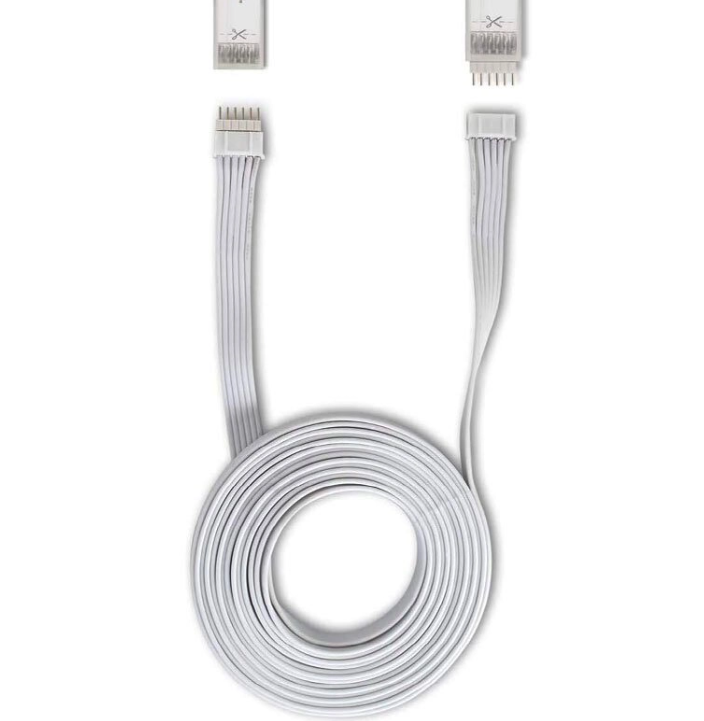
Choosing the right cable harness starts by asking the right questions. We need to understand how the system works. We also need to know what the harness must handle. Clear answers help avoid design issues later.
Every application places different demands on a harness. A vehicle requires flexibility and vibration resistance. Industrial equipment may need durability and long service life. Electronics often require compact layouts and precise signal control.
Typical application factors include:
Number of circuits and branches
Required connectors and interfaces
Installation method and routing paths
The operating environment directly affects harness selection. Heat, moisture, movement, and chemicals influence material choice. Performance needs such as current capacity and signal stability also matter.
| Requirement | Why It Matters |
|---|---|
| Temperature range | Prevents insulation failure |
| Vibration level | Protects terminations |
| Electrical load | Ensures safe power delivery |
| Signal sensitivity | Reduces interference |
Off-the-shelf harness assemblies work for standard setups. They cost less and deliver faster. Custom harness assemblies fit unique layouts or demanding conditions. They support special routing, connectors, and protection needs.
| Option | Best Use Case |
|---|---|
| Off-the-shelf | Simple, repeatable applications |
| Custom | Complex systems, limited space |
Cable harness manufacturing is becoming more automated as robotics take on tasks such as cutting, stripping, and crimping. These systems improve accuracy, consistency, and production speed, especially for large-volume orders, while skilled technicians remain essential for complex routing and final assembly where flexibility and judgment are required.
New materials are changing how cable harness assemblies perform in demanding environments. Modern insulation offers improved heat resistance, greater flexibility, and stronger protection against chemicals, oils, and vibration, helping harnesses maintain reliability over longer service lifetimes.
Key material developments focus on:
Higher temperature tolerance
Increased flexibility and durability
Improved electrical insulation performance
As equipment and devices become smaller, cable harness assemblies must follow the same trend. Designers reduce wire size, optimize routing, and adopt compact connectors to save space and lower overall system weight, which is especially important in automotive, aerospace, and electronic applications.
Electric vehicles place new demands on cable harness assemblies by combining high-voltage power distribution with sensitive data and control signals. At the same time, smart devices require compact, high-density harness designs to support sensors, connectivity, and automation, driving continued innovation across the industry.
| Industry | Impact on Harness Design |
|---|---|
| Electric vehicles | High voltage, lightweight layouts |
| Smart devices | Miniaturized, high-density routing |
| Industrial automation | Durable, data-focused harnesses |
A cable harness assembly manages multiple wires and branches inside a system. A cable assembly usually connects two devices using one or a few cables. Harnesses suit complex layouts, while cable assemblies fit simple point-to-point connections.
They are widely used in automotive systems, industrial machinery, aerospace equipment, marine controls, and electronic devices. Any system involving multiple electrical connections can benefit from a harness.
They protect wires from vibration, abrasion, heat, and moisture. Proper routing and secure terminations reduce electrical faults, signal interference, and long-term maintenance issues.
Common materials include copper wires, plastic or rubber insulation, terminals, connectors, sleeves, tapes, and sometimes overmolding. Material choice depends on electrical load and environmental conditions.
A well-designed cable harness assembly is essential for keeping electrical systems organized, protected, and reliable. It simplifies complex wiring layouts, reduces installation time, and improves long-term performance across a wide range of industries. From early design and material selection to manufacturing, testing, and future innovation, every step influences how effectively a harness performs in real-world conditions.
As technology advances and demands increase in areas such as electric vehicles, automation, and smart devices, choosing the right cable harness partner becomes even more important. Huamao Cable provides professional cable harness assembly solutions backed by engineering expertise, strict quality control, and flexible customization capabilities. By working with Huamao Cable, businesses gain reliable wiring systems designed to meet modern performance, safety, and durability requirements.
