


+86-13826948503 (Bella)
+86-18145725878 (Carven)


Cable assemblies are essential components in today’s electrical and electronic systems, yet many people still ask, what are cable assemblies and why do they matter? From automotive wiring and industrial machinery to data networks and consumer electronics, cable assemblies help transmit power and signals safely and efficiently. In this guide, we’ll explain what cable assemblies are, how they work, the different types available, and why choosing the right cable assembly can improve performance, safety, and long-term reliability.
A cable assembly is more than just a group of wires. It combines multiple conductors, connectors, and a protective jacket into a single, organized unit. They may include:
Wires or conductors: Copper, aluminum, or specialized alloys
Connectors: Crimped, soldered, or molded terminals
Protective jackets: Rubber, PVC, thermoplastics, or heat-resistant materials
Unlike standard wires, cable assemblies provide extra protection, a consistent layout, and the ability to handle complex systems. They also come in various designs:
| Feature | Standard Wire | Cable Assembly |
|---|---|---|
| Protection | Minimal | High |
| Organization | Loose | Bundled / Structured |
| Suitable for Harsh Environments | No | Yes |
| Maintenance Ease | Moderate | Easy |
Assemblies can be flat, round, multi-conductor, or shielded, depending on the application. They are engineered for durability and performance.
Many people confuse cable assemblies with wire harnesses, but they serve different purposes. Here’s how:
| Aspect | Wire Harness | Cable Assembly |
|---|---|---|
| Construction | Simple grouping of wires | Wires + connectors + jacket |
| Durability | Moderate | High |
| Application Environment | Indoor, low-stress | Industrial, automotive, outdoor |
| Protection | Minimal | Robust |
Wire harness: Good for indoor devices or simple electronics.
Cable assembly: Needed for heavy-duty use, outdoor exposure, or industrial machinery.
Environmental protection is key. Assemblies often include insulation and shielding against heat, moisture, dust, and vibration. In automotive systems, they survive engine heat and vibrations. In industrial machines, they resist dust and occasional spills. Consumer electronics usually need simpler protection but still benefit from organized wiring.
Cable assemblies move electricity and information between components in a controlled way. They keep power stable and signals clear, even in complex systems. It helps devices run as designed, without drops or interruptions.
Bundled and insulated wiring lowers the risk of short circuits or signal loss. They protect conductors from vibration, heat, and interference. We rely on them to keep systems working safely over long periods.
Pre-assembled cables reduce guesswork during installation. Technicians spend less time routing wires or tracing connections. It makes upgrades, repairs, and replacements much easier.
Cable assemblies appear in cars, aircraft, data centers, and home electronics. They organize wiring in tight spaces and harsh environments. By keeping everything neat and protected, they improve speed, safety, and reliability.
At the heart of every cable assembly are conductors. They carry electricity or signals from one point to another. Common materials include:
Copper: Highly conductive, widely used for power and data
Aluminum: Lightweight, often used in aerial or large-scale applications
Special alloys: Optimized for specific conductivity, temperature, or strength
The gauge of a conductor affects resistance, heat generation, and overall performance. Too thin, it overheats. Too thick, it adds unnecessary bulk. Choosing the right gauge ensures efficiency and longevity.
| Material | Conductivity | Ideal Use |
|---|---|---|
| Copper | High | General electronics, automotive |
| Aluminum | Moderate | Overhead or lightweight applications |
| Alloy | Variable | Extreme conditions or specialized systems |
Conductors need protection. Insulators and jackets shield them from damage, interference, and environmental hazards. Common types include:
PVC: Flexible, cost-effective, good for indoor use
XLPE: Cross-linked polyethylene, heat-resistant, durable
Thermoplastics: High resistance to chemicals and abrasion
These layers protect against heat, moisture, UV, chemicals, and mechanical stress. They also reduce the risk of short circuits or signal loss, keeping systems safe and reliable.
Connectors link the cable assembly to devices. They make installations simple and secure. Common types include:
D-sub: Multiple pins, used in computing and telecommunications
USB: Universal, high-speed data and charging
Circular: Industrial and aerospace applications
Coaxial: Signal protection, broadcast and telecom
Connections are made by crimping or soldering. Crimping is fast, reliable, and repeatable. Soldering provides a permanent bond for delicate or vibration-prone applications. Proper installation ensures signal integrity and mechanical strength.
Some cable assemblies handle sensitive signals or extreme conditions. For these, advanced protection matters:
EMI/RFI shielding: Blocks interference for data, audio, and communication cables
Specialized jackets: Fire-resistant, strain-relief, waterproof, or chemical-resistant
Overmolding: Adds extra durability at connection points
These features make assemblies suitable for aerospace, industrial machinery, automotive, and outdoor applications, ensuring signals stay clean and connections last longer.
Cable assemblies vary depending on where they are used. Common applications include:
Automotive wiring assemblies: Power engines, infotainment, lighting, and safety systems
Aerospace and defense assemblies: Handle extreme temperatures, vibration, and high-reliability signals
Industrial automation assemblies: Power machines, sensors, and robotic systems in factories
Medical and telecommunications assemblies: Ensure precise signal transmission for equipment and networks
| Application | Typical Features | Example Use |
|---|---|---|
| Automotive | Heat-resistant, vibration-proof | Engine harnesses, dashboards |
| Aerospace & Defense | Fire-resistant, lightweight, high-reliability | Avionics, communication systems |
| Industrial Automation | Durable, shielded, flexible | Conveyor systems, robotics |
| Medical & Telecom | Precision connectors, low interference | MRI machines, fiber networks |
Cable assemblies are often classified by the type of signal or power they carry:
Power cable assemblies: Deliver electrical current safely, often with thick conductors
Data cable assemblies: Include Ethernet, USB, and fiber optic for fast and reliable transmission
Audio/visual cable assemblies: Handle video, sound, and multimedia signals with minimal interference
These assemblies are designed to match the signal requirements, ensuring efficiency and reliability in every system.
The way a cable assembly is built affects its flexibility, durability, and performance. Common construction types include:
Coaxial cable assemblies: Round design, shielded for electromagnetic interference protection
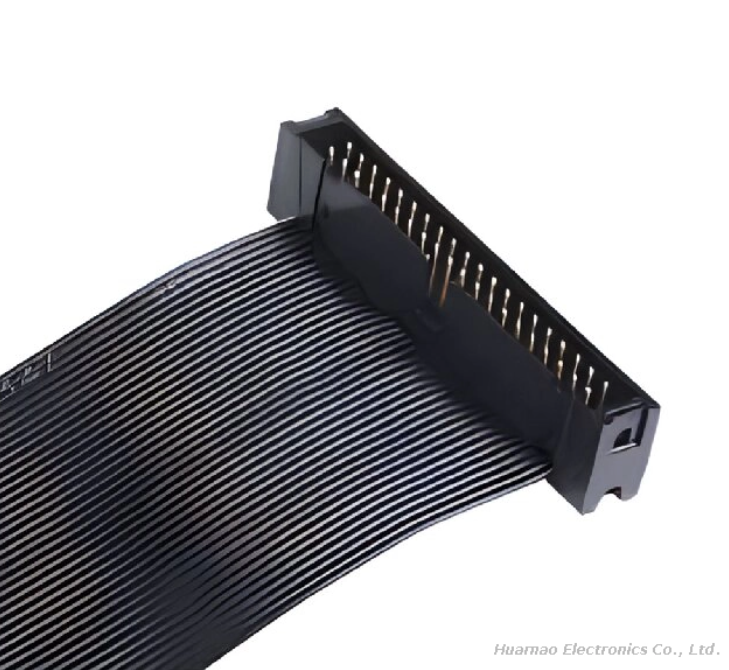
Ribbon cable assemblies: Flat, parallel wires for compact spaces and easy mass connections
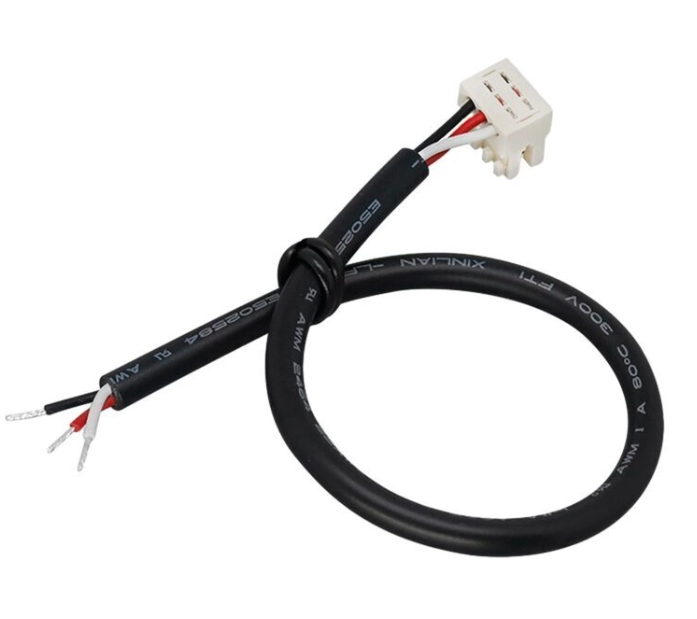
Multiconductor assemblies: Multiple conductors in a single sheath for complex systems
Bunch cables and aerial bundled cables (ABC): Flexible, grouped wires often used for overhead power distribution
| Construction Type | Shape / Features | Ideal Use |
|---|---|---|
| Coaxial | Single core + shielding | Telecom, broadcast |
| Ribbon | Flat, parallel wires | Computers, compact electronics |
| Multiconductor | Several insulated wires in one jacket | Industrial machinery |
| Bunch / ABC | Flexible grouped conductors | Overhead power lines |
Cable assemblies improve system stability by protecting electrical paths from common failure risks. They reduce problems caused by short circuits, signal interference, heat, moisture, and chemicals. Shielding helps block electromagnetic and radio-frequency noise, keeping signals clean and consistent. Durable outer jackets protect internal conductors from UV exposure and mechanical stress. Because of this layered protection, assemblies last longer in demanding environments and support safer operation across many industries.
Cable assemblies make installation and maintenance more efficient by keeping wiring structured and predictable. Pre-assembled layouts reduce installation time and lower the chance of wiring mistakes. Clear routing helps technicians understand connections quickly, even in tight or complex systems. When issues appear, troubleshooting becomes faster because wires stay bundled and labeled. This level of organization reduces downtime and helps teams complete projects on schedule.
Cable assemblies adapt easily to specific project needs and performance requirements. Engineers can choose exact cable lengths, connector styles, insulation types, and protective layers. Custom designs fit unique spaces and handle demanding electrical or environmental conditions. They perform better than standard off-the-shelf cables in automotive, aerospace, and industrial systems. This flexibility allows systems to operate reliably while meeting precise technical goals.
Many cable assembly problems start at the selection stage. We often choose parts fast, then issues appear later.
Using the wrong wire gauge leads to overheating or voltage drop
Picking mismatched connectors causes loose or unstable connections
Ignoring temperature, moisture, or vibration shortens service life
| Common Mistake | What Happens | Why It Matters |
|---|---|---|
| Wire gauge too small | Heat builds up | Risk of failure or fire |
| Wrong connector type | Poor contact | Signal loss or power drop |
| No environment check | Insulation breaks down | Early cable damage |
They fail not because of design, but poor planning.
Even good cable assemblies can fail during installation. Small mistakes create big reliability problems.
Weak crimping causes resistance and heat buildup
Bad solder joints crack over time
Tight bends stress conductors and insulation
Messy bundling blocks airflow and access
Cable assemblies need attention after installation. Ignoring them leads to silent failures.
Skipping inspections allows damage to spread
Frayed jackets expose conductors
Loose connectors reduce signal quality
| Warning Sign | What It Means | Action Needed |
|---|---|---|
| Cracked insulation | Material aging or heat | Replace assembly |
| Discoloration | Overcurrent or stress | Inspect load |
| Intermittent signal | Loose termination | Rework connection |
Cable assemblies connect components inside a system and between devices. They carry power, data, or signals in a controlled and protected way. We see them in cars, machines, networks, medical devices, and home electronics.
Regular wires are single conductors, often loose and lightly protected. Cable assemblies bundle wires, add connectors, shielding, and jackets. They last longer and handle stress, heat, vibration, and interference better.
A wire harness groups wires mainly for organization inside equipment. A cable assembly adds strong insulation and outer protection. It suits outdoor, industrial, or high-stress environments.
Most use copper or aluminum conductors. Insulation often includes PVC, XLPE, or thermoplastics. Connectors use metal contacts and molded or overmolded housings.
Start by checking voltage, current, and signal type. Then consider heat, moisture, chemicals, or vibration in the environment. Connector compatibility and cable length also matter.
Cable assemblies quietly keep modern systems running, from vehicles and factories to networks and medical devices. When wiring is designed as a complete, protected unit, it becomes easier to install, safer to operate, and far more reliable over time. The right materials, structure, and design choices make a real difference in how a system performs day after day.
If you’re planning a new project or upgrading an existing one, working with an experienced partner matters. Huamao Cable helps turn complex wiring needs into dependable cable assembly solutions, built to match real-world conditions and long-term performance goals.
