


+86-13826948503 (Bella)
+86-18145725878 (Carven)

Author: Site Editor Publish Time: 2025-12-18 Origin: Site

Wire connectors terminals are essential components in electrical systems. They provide secure and reliable connections that allow electricity or signals to flow safely between wires or devices. Choosing the right wire connectors terminals improves system performance, reduces maintenance, and prevents hazards like overheating or loose contacts. Whether in automotive wiring, industrial machinery, marine applications, or residential projects, these connectors play a vital role in keeping circuits safe and functional. Understanding their types, connection styles, and insulation options helps you select the right terminal for every application, ensuring long-lasting and efficient electrical connections.
Wire connectors and terminals join conductors safely and consistently. They create stable contact points so electricity or signals can travel without interruption, overheating, or arcing. A wire terminal attaches directly to the end of a conductor. It prepares the wire for secure attachment to a screw, stud, block, or blade. A wire connector links one wire to another wire or to an electrical device. It allows systems to be assembled, modified, or repaired without cutting and rejoining conductors repeatedly.
They help us:
Maintain electrical continuity over long periods
Prevent wire strands from loosening or breaking
Reduce resistance that causes heat buildup
Improve overall safety and system reliability
Support faster installation and easier maintenance
Butt connectors join two wires end to end to form a straight, inline splice. They are one of the most common wire connectors terminals used for repairing damaged cables or extending existing wiring without changing the routing. They work especially well for repairs, wire extensions, and harness rebuilding in automotive, industrial, and appliance systems. Once crimped, the connection stays compact and aligned with the wire run, which helps keep installations clean.
Common features include color coding by wire gauge, crimp-only designs, and crimp-and-seal options for added protection. Insulated and non-insulated versions are both widely available, depending on whether extra insulation or heat shrink will be added later. After installation, butt connectors usually remain hidden inside looms or junctions. This keeps wiring neat, protected, and less exposed to damage.
Ring terminals form a closed circular loop that fits over a screw or stud. This structure creates one of the most secure wire connectors terminals available. Because the ring fully surrounds the fastener, accidental pull-off is unlikely. Even under vibration, the connection remains stable and reliable.
Typical uses include grounding connections, power distribution blocks, battery posts, and motor terminals. These areas demand consistent contact and low resistance. Ring terminals come in insulated, heat shrink, or bare metal styles. We choose the type based on current load, vibration level, and exposure to moisture or heat.
Spade and fork terminals are designed for fast installation under screw terminals. They are widely used wire connectors terminals in panels and serviceable equipment. Fork terminals allow quick removal without fully loosening the screw. Spade terminals slide easily into place during assembly or maintenance.
They work best where regular servicing is expected and full disassembly slows work. Open-end fork designs save time, while closed fork styles improve retention and reduce slip-out risk. Electricians often use them inside control panels, appliances, and light industrial systems where speed and accessibility matter.
Push-on terminals allow fast connection and removal using paired male and female blades. They are popular wire connectors terminals for systems that require frequent testing or replacement. You often see them in automotive wiring, control switches, HVAC units, and appliances. They support modular assembly and quick troubleshooting.
Design variations include fully insulated, partially insulated, and flag-style connectors for tight or angled spaces. Each version balances space constraints, safety, and ease of handling. They simplify maintenance tasks and reduce downtime during repairs.
Bullet connectors create compact, modular wire connections that snap together securely. These wire connectors terminals are easy to install and remove without tools. They suit motorcycles, automotive accessories, and temporary wiring systems where flexibility is important. The cylindrical shape helps them align naturally during connection. Male and female ends match quickly and hold firmly once connected. They allow fast reconfiguration while maintaining dependable electrical contact.
| Connector Type | Connection Style | Common Applications | Key Advantages |
|---|---|---|---|
| Butt Connectors | Inline wire-to-wire splice | Wire repairs, extensions, harness rebuilding | Compact splice, easy crimping, insulated or sealed options |
| Ring Terminals | Closed loop on screw or stud | Grounding, batteries, motors, power blocks | Very secure, vibration-resistant, low contact loss |
| Spade / Fork Terminals | Slides under screw terminals | Control panels, appliances, serviceable equipment | Fast install and removal, good for maintenance |
| Push-On Terminals | Male/female blade connection | Automotive, HVAC, switches | Quick disconnect, modular wiring, easy replacement |
| Bullet Connectors | Snap-fit male/female pair | Motorcycles, accessories, temporary wiring | Tool-free connection, flexible reconfiguration |
Heat shrink wire connectors terminals create sealed and highly reliable connections for demanding environments. They use adhesive-lined insulation that shrinks tightly around the wire when heated, while the adhesive flows into gaps to block moisture, dust, and air that could cause corrosion or failure.
These wire connectors terminals perform especially well in marine wiring, outdoor equipment, and automotive under-hood areas where heat, vibration, and moisture are constant challenges. Common options include heat shrink butt connectors, ring terminals, and push-on terminals. They cost more than basic insulated connectors, but their long service life and strong environmental protection justify the investment.
Nylon-insulated wire connectors terminals remain flexible under mechanical stress and resist cracking better than vinyl alternatives. Nylon insulation tolerates higher temperatures, grips the wire more securely, and withstands vibration for longer periods.
Clear nylon designs allow visual inspection of the crimp, making it easier to confirm proper wire insertion and compression. These wire connectors terminals are widely used in vehicles, machinery, and light industrial systems where moderate heat and movement occur regularly.
Vinyl-insulated wire connectors terminals provide basic electrical protection at a lower cost and remain one of the most commonly used options. They support easy wire insertion, clear color coding by wire size, and wide availability across many connector styles.
Their limitations include lower heat resistance and reduced flexibility over time, especially when exposed to elevated temperatures. These wire connectors terminals work best in indoor and low-stress applications where environmental conditions remain stable.
Non-insulated wire connectors terminals come without built-in insulation and depend on external protection added after crimping. Installers often pair them with heat shrink tubing, insulating boots, or protective sleeving to meet safety and performance requirements. Their compact size, lower cost, and excellent high-temperature capability make them popular in industrial panels, heavy-duty wiring, and custom cable assemblies where insulation choices vary by application.
High-temperature wire connectors terminals operate reliably in extreme heat conditions where standard insulated connectors fail. Many are designed to handle continuous temperatures above 900°F using materials such as nickel-plated steel or specialized copper alloys. These materials resist oxidation and mechanical degradation under thermal stress.
Because plastics cannot survive these environments, most high-temperature wire connectors terminals are uninsulated and commonly used in engines, ovens, motors, and heavy industrial equipment.
| Insulation Type | Key Characteristics | Typical Applications | Main Advantages |
|---|---|---|---|
| Heat Shrink | Adhesive-lined, heat-activated seal | Marine wiring, outdoor equipment, automotive under-hood | Waterproof, vibration-resistant, long service life |
| Nylon-Insulated | Flexible, higher heat tolerance, clear insulation | Vehicles, machinery, light industrial systems | Durable, strong wire grip, easy visual inspection |
| Vinyl-Insulated | PVC insulation, color-coded by wire size | Indoor wiring, low-stress electrical systems | Low cost, easy installation, widely available |
| Non-Insulated | Bare metal, requires external insulation | Industrial panels, custom cable assemblies | Compact size, high-temperature capable, economical |
| High-Temperature | Heat-resistant alloys, no plastic insulation | Engines, ovens, motors, industrial equipment | Operates above 900°F, resists oxidation and failure |
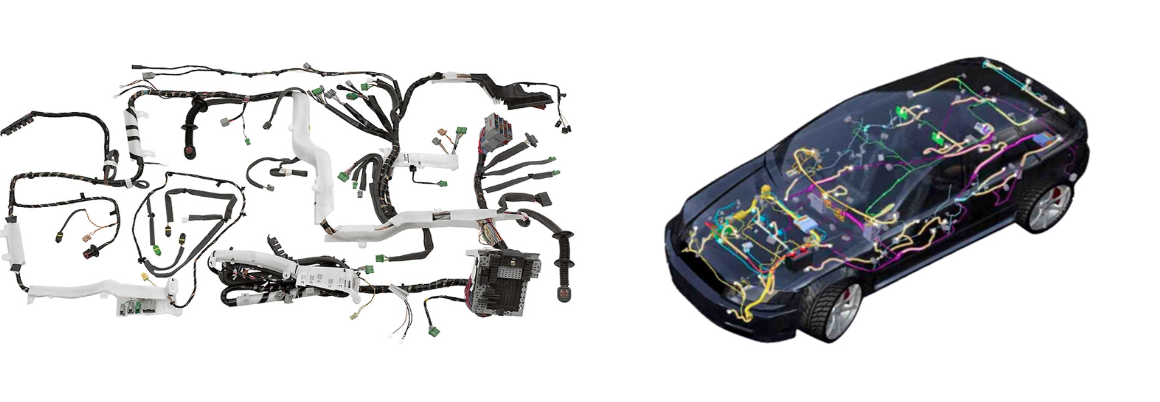
Automotive and transportation systems place constant stress on electrical connections. Vibration from engines, wide temperature swings, and exposure to moisture all affect long-term performance. In these environments, wire connectors terminals must stay secure even when wires move or components heat up. Heat shrink and nylon-insulated connectors dominate because they provide better strain relief, improved grip, and higher heat tolerance. You often see them in engine bays, lighting systems, sensors, and control modules where reliability matters every day.
Marine and outdoor systems face some of the harshest conditions for electrical connections. Salt, humidity, rain, and UV exposure accelerate corrosion and insulation breakdown. Here, wire connectors terminals need strong sealing and long-term protection. Sealed heat shrink terminals work best because the adhesive-lined insulation blocks moisture and air, slowing corrosion and extending service life. They appear frequently in boats, docks, outdoor lighting, and exposed power distribution systems.
Industrial equipment demands durable electrical connections that handle high current, heat, and continuous operation. In these settings, wire connectors terminals focus less on appearance and more on performance under load. Non-insulated and high-temperature terminals lead because they tolerate extreme heat and allow custom insulation solutions. You find them in motors, ovens, control cabinets, and heavy machinery where standard insulated connectors would fail.
Residential and commercial wiring prioritizes cost efficiency, speed, and ease of installation. Electrical loads remain predictable, and environments stay relatively stable. Vinyl-insulated wire connectors terminals fit many tasks here because they are affordable, easy to crimp, and clearly color-coded by wire size. Electricians commonly use them in lighting circuits, outlets, appliances, and junction boxes where conditions remain controlled.
| Industry | Operating Conditions | Common Wire Connectors Terminals | Key Reasons |
|---|---|---|---|
| Automotive & Transportation | Vibration, heat, moisture | Heat shrink, nylon-insulated | Strong grip, heat tolerance, vibration resistance |
| Marine & Outdoor Systems | Water, salt, UV exposure | Heat shrink (sealed) | Moisture blocking, corrosion protection |
| Industrial Equipment | High current, extreme heat | Non-insulated, high-temperature | Handles heat, supports custom insulation |
| Residential & Commercial Wiring | Stable indoor environments | Vinyl-insulated | Low cost, easy installation, clear sizing |
A: Consider the wire gauge, current load, environment, and connection style. For high vibration or outdoor use, heat shrink or nylon-insulated terminals work best. For indoor, low-stress wiring, vinyl-insulated connectors are sufficient.
A: Yes, heat shrink terminals with adhesive-lined tubing create a moisture-resistant seal that protects against water, dust, and corrosion, making them ideal for marine and outdoor applications.
A: Some connectors, like lever-style or certain push-on terminals, can be reused. However, most crimped terminals, including butt and ring connectors, are designed for one-time use to ensure secure electrical contact.
A: Insulated terminals have a built-in plastic or nylon covering that protects against short circuits and environmental damage. Non-insulated terminals are bare metal and require external protection such as heat shrink or sleeving.
A: Bullet connectors are common in motorcycles, automotive accessories, and temporary wiring systems. Their snap-fit design allows quick connection and disconnection while maintaining reliable contact.
Selecting the correct wire connectors terminals is crucial for reliability, safety, and performance across industries. From heat shrink terminals for outdoor and marine environments to vinyl-insulated options for indoor wiring, the right choice depends on connection style, insulation type, and operating conditions. Investing in high-quality connectors ensures strong electrical contact, vibration resistance, and long-term durability. For top-quality wire connectors terminals and expert solutions for any application, Huamao Cable provides a wide range of reliable products designed to meet professional standards and customer needs.
