


+86-13826948503 (Bella)
+86-18145725878 (Carven)

Author: Site Editor Publish Time: 2026-06-24 Origin: Site

A weak wire connection can stop a whole machine. In many cases, the issue is not the cable itself, but the wrong terminal. Electrical terminal connectors help wires connect safely to devices, studs, terminal blocks, and circuits. In this article, you will learn the main types, how they work, and how to choose the right one for your wiring job.
Electrical terminal connectors are used to terminate wires, protect conductor ends, and create stable electrical contact. The right connector type depends on wire size, current load, mounting method, insulation need, and working environment. Ring terminals are strong for stud connections, while spade terminals allow quicker installation. Butt splice connectors join two wires, and quick disconnect terminals support serviceable connections. Ferrules are useful when stranded wires enter terminal blocks. For larger cables or power systems, copper lugs and battery terminals are often better choices. Good selection also requires correct crimping tools, clean wire stripping, and final inspection after installation.
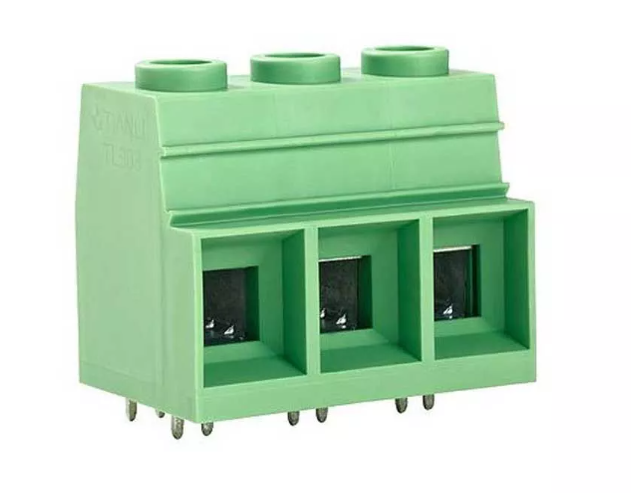
Electrical terminal connectors are small parts, but they do important work. They connect wires to screws, studs, terminal blocks, batteries, control cabinets, appliances, and industrial equipment. A bare wire may look simple to install, but it can loosen, fray, or lose contact over time. A proper terminal gives the conductor a fixed contact point.
They are also useful when working with stranded wire. If stranded wire is clamped directly under a screw, small strands can spread out or break. This reduces the contact area and may cause heat, voltage drop, or unstable performance. A terminal helps keep the conductor together and makes the connection easier to repeat.
These parts also support repair and maintenance. In wire harnesses, machinery, control panels, vehicles, and low-voltage devices, technicians often need to inspect or replace wiring. Terminal connectors make this work cleaner and more organized. They also reduce the risk of damaging the wire each time the connection is opened.
Note: A terminal connector is not only a fitting part. It affects contact quality, safety, and long-term wiring stability.
There are many electrical terminal connector types, but several are used more often because they solve common wiring problems.
Ring terminals have a closed circular end. The ring fits over a screw or stud, then a nut or screw locks it in place. This design gives strong holding force. It is useful in equipment, grounding points, battery-related wiring, and areas where vibration may occur. The main limit is installation speed. You usually need to remove the screw or nut before placing the terminal.
Fork terminals, also called spade terminals, have an open end. They slide under a screw without removing it fully. This makes them faster to install or replace. They are useful in control panels and equipment where frequent adjustment may be needed. However, standard fork terminals may slip out if the screw loosens. Locking or flanged spade terminals can improve grip.
Pin terminals are often used with terminal block connectors. They turn a stranded wire end into a cleaner, more solid insertion point. This helps when a screw clamp or spring clamp needs to hold the wire. Pin terminals are common in electrical cabinets, control systems, and compact wiring layouts.
Blade terminals and quick disconnect terminals are designed for easy mating and separation. They usually include male and female parts. These connectors are common in appliances, vehicles, small machines, and serviceable devices. They are helpful when a part may need replacement without cutting the wire.
Bullet connectors also use male and female ends. Their round shape creates a compact detachable connection. They are useful when wires need to be disconnected and reconnected during maintenance. Good fit and proper insulation matter because a loose bullet connector can cause intermittent failure.
Butt splice connectors join two wire ends. They are often used for wire repair, extension, and harness assembly. Standard butt splices work in dry conditions. Heat shrink butt splice connectors add better sealing against moisture. Step-down butt splices can join wires of different sizes.
Wire ferrules, including bootlace ferrules, are used on stranded wires before insertion into terminal blocks. They reduce fraying and help the clamp grip the conductor evenly. Ferrules may be insulated, uninsulated, or dual-entry for two wires.
| Connector Type | Main Use | Key Advantage |
|---|---|---|
| Ring terminal | Stud or screw connection | Strong holding force |
| Spade terminal | Screw connection | Fast installation |
| Pin terminal | Terminal block wiring | Cleaner stranded wire end |
| Quick disconnect | Serviceable wiring | Easy connection and removal |
| Butt splice | Wire-to-wire joining | Simple repair and extension |
| Ferrule | Stranded wire termination | Reduces fraying |
Tip: Choose the terminal shape based on how the wire will be fixed, not only by price or appearance.
Some wiring jobs need more than standard crimp terminals. Larger cables, higher current, harsh environments, and tight installation spaces may require heavy-duty or specialized cable terminals.
Copper lugs and tube terminals are used for larger conductors and higher current loads. They are common in power distribution, grounding, battery systems, heavy equipment, and industrial panels. Their performance depends on proper crimping pressure. If the crimp is too weak, the cable may overheat. If it is too hard or mismatched, the barrel may deform incorrectly.
Battery terminals and battery posts connect cables to batteries or power storage systems. They need good conductivity, mechanical strength, and corrosion resistance. These parts are common in automotive, marine, backup power, and industrial power applications.
Open-barrel terminals are often used in wire harness production. Their wings fold around the conductor and insulation during crimping. Closed-barrel terminals have a tube-like crimp area and are common in general wiring. Each design needs a matching crimping tool.
Specialty terminals include angled terminals, multi-hole lugs, high-voltage terminals, aluminum terminals, bimetallic terminals, and sleeve connectors. These are selected when standard wire connectors cannot meet space, material, current, or mounting needs.
Insulation affects both protection and cost. Non-insulated terminal connectors are simple and easy to inspect after crimping. They are often used inside protected equipment or when another cover, sleeve, or heat shrink tube will be added. Their weakness is limited protection against moisture, abrasion, and accidental contact.
Vinyl insulated terminals are common for general low-voltage wiring. They are economical and easy to use. They fit many indoor applications, basic equipment wiring, and areas with low exposure to moisture or movement. For simple wiring jobs, vinyl insulation is often enough.
Nylon insulated terminals usually provide better mechanical strength than basic vinyl terminals. Some designs allow a stronger grip on both the conductor and insulation. Semi-transparent insulation can also help visual inspection. Nylon terminals are useful when the connection needs better durability but does not require full sealing.
Heat shrink terminal connectors add sealing and strain relief. After crimping, heat is applied so the sleeve shrinks around the wire. Many designs help block moisture and reduce corrosion risk. They are suitable for outdoor wiring, vehicles, marine use, machinery, and environments with vibration or water exposure.
Note: Insulation choice should match the working environment. A dry cabinet and an outdoor machine do not need the same terminal protection.
Start with wire size. The barrel of the terminal must match the conductor gauge or cross-section. An oversized barrel may not grip the wire tightly. An undersized barrel may damage strands or prevent full insertion. Both mistakes can cause weak crimps and poor conductivity.
Next, check current, voltage, and load conditions. Small crimp terminals are not suitable for large power cables. Heavy-duty lugs are better for high-current circuits, battery cables, and power distribution. The terminal should carry the load without creating excess heat.
The environment also matters. Dry indoor wiring may only need a basic insulated terminal. A machine exposed to vibration may need ring terminals, locking spade terminals, or stronger insulation support. Outdoor, marine, or wet areas often need heat shrink terminals or sealed connectors. Dust, oil, heat, and movement can all shorten connection life.
Also decide whether the connection must be removable. Ring terminals are strong for semi-permanent fastening. Butt splice connectors are better for permanent wire joining. Quick disconnect terminals and bullet connectors work well when parts may need service. Ferrules are better for terminal block wiring.
Finally, consider assembly speed and maintenance. A product used in large wire harness production may need terminals that crimp quickly and consistently. A repair kit may need a wider mix of ring, spade, butt splice, and quick disconnect terminals.
Tip: For purchasing, prepare wire size, current rating, environment, and connection method before asking for a quote. It saves time and reduces selection errors.
A good terminal can still fail if it is installed poorly. Terminal connectors and crimping tools work as a system. The wrong tool can under-crimp the barrel, over-compress it, or leave the conductor loose. For repeat production, tool consistency is as important as terminal quality.
Wire stripping also matters. If too much copper is exposed, it can increase short-circuit risk. If too little is exposed, the conductor may not reach the correct crimp zone. The wire should sit fully inside the barrel before crimping. The insulation should also be supported when the terminal design allows it.
After crimping, inspect the result. Check whether the conductor is seated properly, the barrel is formed evenly, and no strands are cut or left outside. A light pull test can help confirm the connection is secure. For insulated terminals, translucent materials can make inspection easier.
Avoid common mistakes such as mixing wire size and terminal size, using the wrong insulation type, leaving loose studs, over-tightening screws, or mixing incompatible metals in corrosive environments. These issues may cause heat, voltage drop, corrosion, or unstable contact.
Huamao electronics provides wire harness, cable, and connector-related solutions for customers who need organized and reliable wiring support. Its product scope includes terminal connectors, wire-to-board connectors, board-to-board connectors, wire-to-wire connectors, IDC connectors, electronic cables, and custom wire harness assemblies. This helps buyers source related wiring parts from one supplier instead of handling too many separate items.
For electrical terminal connectors, customers can select parts based on wire size, conductor material, connection method, insulation type, and working environment. Common needs may include crimp terminals, insulated terminal connectors, cable terminals, connector housings, wiring accessories, and harness-ready connection parts.
Huamao electronics also supports custom wire harness and cable assembly needs. Customers can provide drawings, samples, wire gauge, application details, or assembly requirements. The team can help match suitable terminals, connectors, cables, and processing options. This gives value to equipment manufacturers, wiring teams, and project purchasers who need stable supply, practical selection help, and organized production support.
Electrical terminal connectors come in many forms. Each type solves a different wiring need. Ring terminals offer firm holding. Spade terminals save time. Butt splices join wires. Ferrules protect stranded ends. The best choice depends on wire size, current, insulation, environment, and crimping method. A reliable connection starts with the right part and proper installation.
A: Electrical terminal connectors terminate wires and create stable contact points in circuits.
A: Ring terminals are usually best because they lock around the stud.
A: Ferrules reduce stranded wire fraying and improve clamp contact.
A: Yes, when protection from contact, moisture, or abrasion is needed.
A: Material, insulation, size, sealing, quantity, and processing needs.
