


+86-13826948503 (Bella)
+86-18145725878 (Carven)

Author: Site Editor Publish Time: 2025-07-10 Origin: Site

Can a car really run without a wiring harness? It's a question that many car owners might not consider, but it's crucial. The wiring harness is the central nervous system of your car, connecting all electrical components. Without it, the car cannot function properly, as it disrupts key systems like engine control, lights, and accessories. The wiring harness carries electrical power and communicates signals between the car's different components, making it a critical part of the vehicle’s operation.
In this post, we’ll explore why the wiring harness is so essential, what happens if it's missing or damaged, and how it affects the car’s performance. You’ll also learn whether a car can run without it and why this topic matters for anyone who owns or works on cars. Understanding the role of a wiring harness helps you maintain a safe and functioning vehicle.
A wiring harness is a collection of wires, connectors, and small components that work together to send power and signals throughout a vehicle. Think of it as the vehicle's electrical system's circulatory system, delivering electricity where it’s needed for various functions like engine control, lights, and sensors. The harness plays a crucial role in ensuring that electrical systems work seamlessly together.
The wiring harness includes several parts:
Wires: These are the conductors that carry electricity to various car components.
Connectors: They link the wires to electrical components like sensors and actuators.
Small Components: These can include fuses, relays, and junction blocks that protect and organize the wiring, preventing short circuits and ensuring the system operates smoothly.
Its main role is to connect all the electrical systems in the car, ensuring that power flows correctly to parts like the engine, lights, air conditioning, and radio. The wiring harness ensures that the ECU and sensors send the right signals to manage fuel injection, ignition, and other engine functions.
The wiring harness sends power from the battery and the engine control unit (ECU) to various components. It also transmits signals between sensors and the ECU to manage things like fuel injection, ignition timing, and engine performance. It ensures that everything runs smoothly and that the car operates at its peak efficiency.
The wiring harness is critical because it connects all electrical systems in the car. From controlling the engine to powering lights and the air conditioning, it makes sure everything gets the right power and signals. Without it, the car can’t operate as intended. It also transmits signals to other parts of the car, enabling proper coordination.
Power Distribution: The harness distributes power from the battery to essential components like the starter motor, ECU, and ignition system.
Signal Transmission: It also carries signals from the ECU to control fuel injection, spark timing, and other engine functions.
Without the wiring harness, key systems would be unable to communicate and function, rendering the car inoperable.
If the wiring harness is missing, several systems stop working:
Engine Control: The engine won't run without signals from the ECU, which rely on the harness to function.
Lights and Accessories: Without the harness, your lights, radio, and air conditioning won't work.
Other Systems: The car's sensors and actuators can't communicate, leading to failure in key systems like ignition and fuel delivery.
The car won’t run because the electrical pathways are broken, leaving the vehicle without control over important functions like starting the engine. In short, without a wiring harness, your car becomes inoperable.
While a car might drive with certain harnesses missing (like the tail light harness), you can’t operate it without the engine harness. Missing engine components mean:
No Ignition: The starter motor and spark plugs won’t work.
No Power: Systems like fuel injection and timing control depend on the wiring harness for proper function.
In short, you can't drive a car if its wiring harness isn't functioning or missing entirely. The engine cannot start, and critical systems will fail, making it impossible to drive.
A bad wiring harness can lead to several problems:
Engine Malfunctions: The engine may misfire, stall, or run erratically due to poor electrical connections in the harness.
Electrical Failures: Lights, sensors, and electrical accessories may fail to work as intended.
Component Damage: A damaged harness can cause wear or failure in critical parts like the ECU, relays, and fuses, leading to bigger issues down the road.
When the wiring harness is faulty, the risks are serious:
Poor Performance: The engine may run inefficiently, leading to poor acceleration, higher fuel consumption, or stalling.
Malfunctioning Accessories: Systems like the radio, air conditioning, and lights may stop working, making the driving experience unpleasant or unsafe.
Electrical Fires: Frayed wires or shorts can lead to dangerous fires in the vehicle, especially if they come into contact with flammable materials.
Driving with a bad wiring harness is risky:
Safety Concerns: The car may suddenly stop working, or key systems could fail while driving, creating dangerous situations on the road.
Long-Term Damage: Ignoring the problem can lead to further damage to the engine, electrical systems, and the wiring itself, leading to costly repairs.
Real-World Examples: Many cars have been reported to break down or catch fire due to faulty wiring harnesses. It's always safer to repair the harness promptly.
The engine wiring harness is essential for the car's engine management. It connects to the Engine Control Unit (ECU) and various engine sensors.
It plays a key role in controlling fuel injection, ensuring the engine receives the right amount of fuel for combustion.
It also manages ignition timing, helping the engine start and run efficiently.
Additionally, it helps coordinate sensor feedback, ensuring smooth engine operation and accurate readings, which allows the car to run at its peak performance.
The engine wiring harness enables the ECU to communicate with the engine's components, optimizing engine operation for efficiency and power.
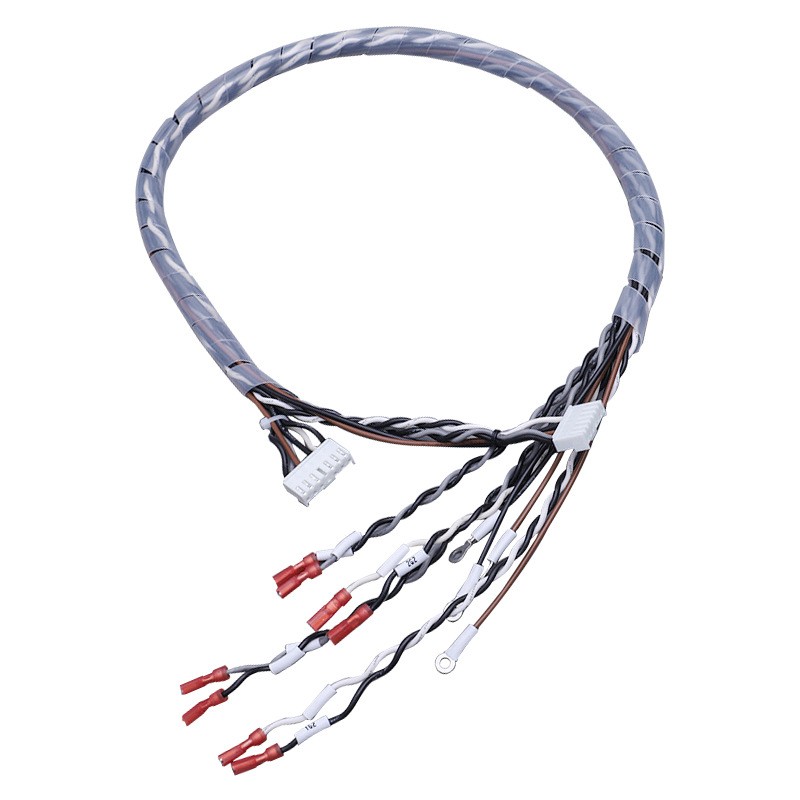
If the engine wiring harness is damaged or missing, the car’s engine can suffer major issues:
Engine Failure: Without proper signals from the ECU and sensors, the engine may fail to start or run erratically, resulting in poor performance or complete failure.
Inability to Start: Missing connections to key components, like the starter motor or fuel injectors, can prevent the engine from turning on or firing.
Poor Engine Performance: The engine may misfire, lose power, or have irregular idling due to broken electrical pathways, resulting in an inefficient or unreliable car.
In these cases, the car won’t run as expected, and the engine may even stop functioning completely. The car will fail to start, or the engine will behave erratically due to the loss of communication and control systems.
The engine wiring harness is critical for the car’s ignition system. It connects the starter motor and ECU, both of which are essential for starting the engine. Without these connections, the car can't receive the necessary signals to power the engine.
Ignition System: The harness sends signals to ignite the fuel-air mixture in the engine, enabling combustion and proper engine performance.
Starter Motor: It provides the electrical connection needed to start the engine by engaging the starter motor.
Without the harness, these components can't function, so the engine will not start, and the car simply won’t run.
If you attempt to drive without the engine wiring harness, the car won’t start at all.
No Power: The car won't be able to crank or start, leaving it completely inoperable.
Failure of Key Systems: Without the harness, the car's engine won’t receive essential signals for ignition, fuel injection, and other critical functions.
Engine Shutdown: Even if the car somehow starts, it will quickly stall due to missing or broken connections.
Simply put, driving a car with a missing engine wiring harness is impossible. The car will be unable to start or operate correctly.
Replacing a full wiring harness can be expensive, with costs typically ranging between $1,000 and $4,000. The price varies based on:
Car Make and Model: Luxury or high-performance cars tend to have higher replacement costs due to specialized parts and designs.
Labor Costs: Labor charges for installation can also add to the cost, as it's a time-consuming process involving detailed work. The complexity of the car’s wiring system can significantly influence the price.
Here's a quick comparison of wiring harness replacement costs for different car models:
Economy Cars: $1,000 to $2,000
Mid-Range Cars: $2,000 to $3,000
Luxury/High-Performance Cars: $3,000 to $4,000
Replacing just the engine wiring harness is usually cheaper than replacing the entire system. The cost for engine harness replacement typically ranges from $500 to $2,500, depending on:
Car Type: Engine harnesses in complex or high-tech cars may cost more due to additional sensors and connectors.
Component Availability: If parts are difficult to find, the cost could rise significantly, especially for rare or older car models.
Generally, engine harness replacements are more affordable, but the final cost depends on the vehicle's brand and model.
When it comes to fixing a bad wiring harness, it's important to know when to tackle the job yourself and when to seek help:
DIY Repair: If the problem is simple, like a small fray or a loose connection, it might be safe to attempt a DIY fix. You can use electrical tape or wire connectors to repair minor issues. However, it’s crucial to have a basic understanding of car wiring.
Professional Repair: For more complicated issues, such as broken wires inside the harness or extensive corrosion, it’s best to call in a professional. A skilled technician will ensure the repair is done correctly and safely, preventing further damage to your car's electrical systems.
A damaged wiring harness can lead to serious car problems, so it's essential to identify issues early. Look out for these signs:
Corrosion: Rust or greenish buildup on connectors indicates damage and corrosion that needs attention.
Cuts: Exposed wires from cuts or abrasions can cause electrical shorts, leading to further damage.
Fraying: Wires that are fraying or unraveling might not work properly and should be replaced to avoid future problems.
If you spot any of these signs, it’s time to assess whether a repair or a full replacement is needed.
A faulty wiring harness can disrupt various electrical systems in your car, leading to:
Lights: Headlights, taillights, and interior lights may flicker or stop working altogether, affecting visibility and safety.
Radio: A bad harness can cause the radio to malfunction, making it impossible to listen to music or use navigation features.
AC: The air conditioning may fail to work properly, leaving you uncomfortable, especially during hot weather. This is an important comfort feature that should not be neglected.
These electrical failures can make driving more difficult, uncomfortable, and even unsafe in certain situations.
A damaged or faulty wiring harness increases the risk of electrical fires.
Short Circuits: Exposed wires can cause sparks, potentially igniting nearby materials, especially in the presence of flammable substances.
Overheating: Frayed wires can overheat, leading to fires inside the vehicle, which can be extremely dangerous.
Fires caused by wiring issues can cause significant damage to your car and pose a serious risk to your safety. They should never be ignored, as they can result in total loss of your vehicle or injury.
Ignoring a faulty wiring harness can lead to:
Bigger Problems: Small issues can worsen, affecting more critical car systems like the ECU and sensors, making the car harder to fix later.
More Expensive Repairs: Delaying repairs increases the chances of larger, costlier issues down the road, requiring more time and money for repair. Replacing an entire system or engine may cost significantly more than fixing a small fault early on.
Fixing a faulty harness early can save you from facing more severe and expensive repairs later. Addressing the issue quickly ensures that your car remains safe, efficient, and functional.
A car cannot run without a working wiring harness. It’s essential for engine control and electrical systems to operate properly.
Addressing wiring harness issues early is crucial to avoid costly repairs and safety risks. If you suspect a problem, don’t delay repairs.
Take your car to a mechanic to ensure it runs smoothly and safely.
A: Wiring harnesses can last anywhere from 10 to 20 years, depending on the vehicle's condition, usage, and environmental factors.
A: Common causes include wear and tear, exposure to extreme temperatures, moisture, corrosion, and physical damage to the wires.
A: Driving with a broken wiring harness is dangerous and can cause electrical malfunctions, engine failure, or even fires.
A: No, a broken ECU wiring harness means the engine won't receive necessary signals, preventing the car from running. |
