


+86-13826948503 (Bella)
+86-18145725878 (Carven)


One connector category can cover very different jobs. A small indoor signal link, a fast field splice, and a forklift charging connection may all fall under the label of a wire-to-wire connector, but they are not designed for the same installation style, environment, or electrical load. That is why understanding wire-to-wire connector types matters before a project moves into production or field use. For customers building harnesses, cable assemblies, control wiring, and power connections, Huamao Cable provides product options that fit different wiring tasks instead of forcing one connector style into every application.
The classic wire-to-wire format is the plug-and-socket connector. It uses two mating halves that can be joined and separated when needed, making it a practical choice for harness systems that require modular assembly and later replacement. This style is widely used because it creates a structured connection point between cable sections without turning the entire wiring path into one fixed piece.
In many products, that modular structure is a major advantage. One harness section can be assembled first, another can be added later, and both can be connected during final installation. If maintenance is needed, the connector can be separated without cutting wires or rebuilding the entire harness. That is why this type is common in appliances, equipment wiring, automotive subassemblies, and serviceable cable systems where accessibility matters.
Some wire-to-wire connector types are chosen not for modular plug mating, but for speed. Lever and push-in splicing connectors are useful when the priority is fast field wiring, simple handling, and reduced installation time. Instead of a traditional connector housing with two mating halves, these products focus on quick and secure joining for practical wiring work.
This type is especially useful in lighting systems, control cabinets, commercial wiring, and similar jobs where installers want to reduce labor without making the connection messy or unreliable. In these cases, a compact quick-connection format can be more efficient than a larger detachable plug style. Huamao Cable’s quick terminal block products fit naturally into this category because they support fast connection in real installation work where convenience and stable contact both matter.
Not all wire-to-wire connector types are intended for light-duty or signal wiring. Some are built specifically for high current, repeated mating, and tougher working conditions. Heavy-duty power connectors are used where the connection must handle stronger electrical load while also standing up to routine plugging, unplugging, and equipment use.
This category becomes important in battery connections, charger interfaces, forklifts, material handling equipment, and energy storage systems. The connector structure is usually more robust, the contact design is stronger, and the housing is made to support more demanding service conditions. These are not small convenience parts. They are functional components that affect power delivery, operating reliability, and service efficiency.
Not every application needs environmental sealing. In protected indoor systems, an unsealed connector is often the most practical and cost-effective option. Appliances, enclosed control cabinets, indoor lighting assemblies, and many internal harness connections can work well with a simple unsealed design, provided the operating conditions stay clean and stable.
This matters because over-specifying a connector can add unnecessary cost and bulk. If the product will not face moisture, dust, or repeated outdoor exposure, a straightforward unsealed wire-to-wire solution may be entirely sufficient. The key is to match the connector to the real working environment rather than assuming every application needs the same level of protection.
Environmental conditions can change connector choice very quickly. Once a product is exposed to dust, moisture, outdoor installation, or harsher field use, protection becomes a much more important part of the decision. Sealed wire-to-wire connector types help reduce the risk that contamination or environmental exposure will interfere with contact performance over time.
This is especially relevant in outdoor equipment, mobile machinery, field wiring, and applications where the connection point cannot stay in a fully protected enclosure. In these cases, environmental protection is not a detail added at the end. It is part of the connector’s core suitability. Buyers who understand the installation conditions early can avoid choosing a connector that works well in theory but becomes a maintenance problem in practice.
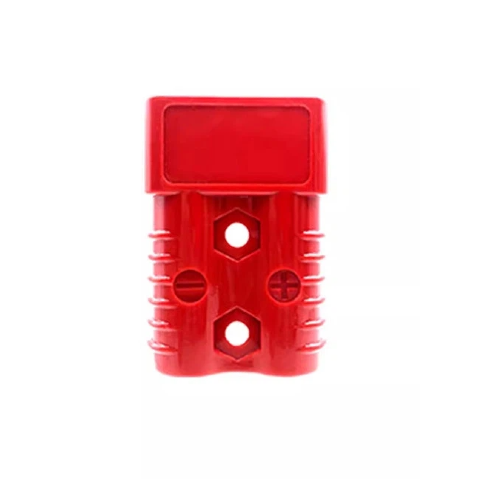
Many wire-to-wire connector types are designed for signal lines, control circuits, and lighter electrical loads. These connectors are usually more compact and are well suited to applications where space, wiring organization, and easy handling matter more than heavy power transfer. They are common in electronics-related assemblies, control wiring, appliance internals, and other lighter-duty systems.
This category is important because not every project needs a large heavy-duty connector. Using a power connector where a smaller solution is enough can increase size and cost without improving the actual result. For signal and light-duty wiring, the better choice is often the connector that keeps the wiring clean, easy to route, and appropriate to the electrical demand.
Once current demand rises, connector requirements change. High-current wire-to-wire connector types are designed for batteries, charger systems, forklifts, EV support equipment, and energy storage applications where dependable power transfer matters more than compact size. These connectors need stronger contact systems, more durable housings, and better support for repeated use under load.
That difference is important for buyers. A connector that works perfectly in a control circuit may be completely unsuitable in a battery link. Current level affects not only the contact size, but also the mechanical durability and overall connector structure. For this reason, high-current products should be treated as a separate application class, not just as larger versions of ordinary cable connectors.
Type category | Typical use | Key advantage | Limitation to note | Suitable catalog example |
Plug-and-socket | Harness connection | Easy mating and replacement | More parts | Standard cable-to-cable connectors |
Lever or push-in splice | Fast installation | Saves labor time | Best for specific wiring styles | Quick terminal block |
Sealed connector | Outdoor or harsh use | Environmental protection | Usually higher cost | Sealed harness connector |
High-current connector | Battery, charger, forklift | Strong power transfer | Larger size | Anderson-style connector |
Inline formats are useful when a harness needs to be extended or divided into serviceable sections. Rather than creating one uninterrupted cable path, an inline connector introduces a clean connection point that allows different sections to be joined logically. This is particularly helpful in larger assemblies where routing, replacement, and staged installation all matter.
From a maintenance perspective, inline wire-to-wire connector types support faster fault isolation and easier part replacement. If one section of the harness needs attention, technicians can focus on that area instead of disturbing the entire cable assembly. That makes inline designs valuable in both production planning and long-term service strategy.
Some wire-to-wire connector types help reduce clutter by combining several circuits into one organized connector body. This is especially useful when multiple connections need to stay grouped together rather than being handled as separate single-circuit joins. A multi-position format can improve cable identification, reduce wiring confusion, and make the final assembly look more controlled.
This type of organization matters in products with multiple signal paths, grouped harness branches, or more complex internal routing. A better connector layout does not only look cleaner. It also supports easier assembly, faster inspection, and more consistent installation results across repeated builds.
Lighting and control applications usually benefit from connector types that make installation fast and straightforward. Lever and push-in splicing products are often a strong fit because they reduce manual work and support practical field wiring. In enclosed indoor systems, a compact unsealed solution may be enough if the operating environment is stable.
The main priority in these jobs is usually installation efficiency combined with a dependable contact. When the wiring task is repetitive or time-sensitive, a faster connection style often delivers more value than a more complex connector body.
When the application involves vibration, regular movement, or repeated mating cycles, connector selection has to focus more on retention and mechanical strength. Plug-and-socket designs with secure locking features often make more sense in these conditions because they are built to remain mated during real operation rather than only during initial installation.
Housing strength, cable support, and overall durability become more important in equipment wiring, mobile systems, and other environments where a loose connection can create downtime. This is where buyers should think less about convenience alone and more about how the connector will behave after months of use.
In forklifts, charger links, battery systems, and energy storage equipment, the buyer is not simply choosing a connector type. The decision affects uptime, safety, and power stability. High-current wire-to-wire connector types are the proper direction here because they are designed for repeated use under heavier electrical demand.
Huamao Cable’s Anderson-style connector solutions fit naturally into this category. They support applications where dependable power transfer and durable service performance are more important than compact size. For these systems, the wrong connector choice can create operating problems very quickly, which is why current load and duty conditions must stay central to the decision.
The most useful way to understand wire-to-wire connector types is to group them by job, not just by product name. Some are designed for detachable harness assembly, some for fast field splicing, some for harsher environments, and some for heavy power transfer. The right type depends on installation method, environmental exposure, layout needs, and electrical load. Huamao Cable supports these different application paths with connector and cable solutions built for real wiring tasks across industrial, commercial, and power systems. If you need help identifying the best fit for your project, contact us to discuss the right wire to wire connector types for your application.
The main types include plug-and-socket connectors, lever or push-in splicing connectors, sealed connectors for harsher environments, and high-current connectors for power applications.
This type is a good choice when the harness needs a detachable connection for assembly, service, or replacement. It works well in modular cable systems.
No. Sealed products are best for dust, moisture, outdoor exposure, or harsher service conditions. In protected indoor environments, an unsealed connector may be sufficient.
High-current connector types are the better choice for batteries, chargers, forklifts, and energy storage systems because they are designed for stronger power transfer and more demanding use.
