


+86-13826948503 (Bella)
+86-18145725878 (Carven)

Author: Site Editor Publish Time: 2025-07-04 Origin: Site

Have you ever wondered how all the electrical systems in your car work together seamlessly? The automotive wiring harness is the unsung hero that makes this complex interaction possible. Acting as the central nervous system of your vehicle, it transmits electrical power and data to the car's essential systems, ensuring that critical components—from the engine to the lights—receive the power and signals they need to function properly.
In this post, we will explore the role of an automotive wiring harness in detail, discussing its crucial function in modern cars and why it is vital for every vehicle owner to understand this component. Whether you're a car enthusiast, an owner, or simply curious, you’ll learn how this often-overlooked part of your car contributes to safety, performance, and longevity. By the end, you’ll have a deeper understanding of how wiring harnesses ensure your car’s electrical systems are operating smoothly, efficiently, and safely.
An automotive wiring harness is essentially a bundle of wires, connectors, terminals, and insulation that are carefully organized and designed to transmit electrical power and data to various components within your vehicle. Think of it as the backbone of your car's electrical system—connecting all the essential components, from engine management to the lighting, ensuring everything works as it should. It facilitates communication between the different electrical systems in the car and ensures power is directed to where it is needed.
Modern vehicles are complex, with a wide range of electrical systems that control everything from basic engine functions to advanced driver assistance technologies. The wiring harness is the medium through which all of these systems communicate, providing reliable power and data transfer between components like the engine control unit (ECU), air conditioning system, airbags, infotainment, and much more.
As vehicles have become more technologically advanced, so too have the wiring harnesses. They now manage everything from automated parking assistance to electric power steering, and as such, the harness needs to support more complex functions than ever before.
An automotive wiring harness is made up of several essential components, each performing a specific function to ensure that electricity is transmitted safely and efficiently. These include:
Connectors: Connectors are responsible for linking wires to the various components within your car’s electrical system. They come in male and female configurations, allowing a secure and reliable connection that ensures proper electrical flow. Connectors also help to maintain organized connections, reducing the risk of wires becoming damaged or dislodged.
Fuses: Fuses serve as safety devices within the wiring harness. If too much current flows through the wire, the fuse will melt and disconnect the circuit, preventing any electrical components from being damaged. This is a crucial feature to prevent overheating and potential fire hazards in your vehicle.
Fuse Block: The fuse block is where all the fuses within the harness are organized. It separates the fuses for different circuits, helping to ensure that each electrical component is adequately protected. The fuse block makes it easier to troubleshoot and maintain the system, as you can quickly access and replace blown fuses without having to inspect the entire wiring system.
Relay: Relays are electrical switches that allow a small current to control a much larger current. They are crucial for high-power components, such as headlights and cooling fans, which require more current than standard circuits. By using relays, the wiring harness can safely control higher-powered components without overloading the system.
Wire: The wire itself is typically made of copper due to its excellent conductivity. Wires within the harness come in various sizes (gauges) depending on the power requirements of each circuit. Copper wires are durable, flexible, and capable of carrying high currents, making them ideal for automotive applications.
These components work together to ensure a steady and reliable flow of electrical power throughout the car. Without the wiring harness, none of these essential systems would be able to communicate or function properly.
The automotive wiring harness is central to your car’s electrical system. It’s responsible for powering and connecting vital components, including the engine, lights, airbags, and advanced safety systems. Without a properly functioning wiring harness, these systems wouldn’t operate, and the car would likely be rendered inoperable or unsafe to drive.
The wiring harness acts as the central hub for the car’s electrical systems, ensuring that electricity flows to every component that requires it. It distributes power from the battery to critical systems like the engine management system, lighting, brakes, and infotainment. The harness also ensures that electrical signals are transmitted from sensors and switches, allowing the various parts of the car to communicate with one another and work in harmony.
By channeling electrical power to all components, the wiring harness ensures that everything from the engine to the dashboard receives the necessary power and data. It guarantees that every part of your car’s electrical system is connected and functional, preventing failures or malfunctions.
One of the primary functions of the automotive wiring harness is to support the safety systems in the vehicle. Airbags, anti-lock brakes (ABS), traction control, and other safety features rely on the wiring harness to operate correctly. A malfunction in the wiring harness could result in these systems failing when they are needed most, such as in an accident or emergency situation.
A properly maintained wiring harness ensures the reliability of your car’s safety systems, keeping you and your passengers safe. Regular inspection of the wiring harness helps ensure that no damage, wear, or corrosion is compromising the effectiveness of these critical systems.
Modern cars are designed to be lighter and more fuel-efficient, and the wiring harness plays a key role in achieving these goals. By bundling wires together in a single, compact unit, the wiring harness reduces the clutter of individual wires throughout the vehicle. This reduces the amount of space required for wiring and helps keep the car’s overall weight down.
In electric vehicles (EVs) or hybrid cars, the need for space and weight efficiency is even greater. By using a well-designed wiring harness, manufacturers can optimize the vehicle’s design and functionality while minimizing the amount of space taken up by the electrical system.
The wiring harness in modern cars contains numerous circuits, each dedicated to a specific function. Common circuits in a basic car include:
Dash Lights: These illuminate the dashboard and provide visibility to the driver at night.
Wipers: Control the speed and movement of the windshield wipers.
Horns: Allow the vehicle’s horn to function for signaling.
Tail Lights: Make the car visible to other drivers from the rear, especially at night.
Higher-end models and newer vehicles may have as many as 24 circuits to support more complex functions, such as:
Electric Fans: These help cool the engine or battery systems.
Power Locks: Enable automatic locking and unlocking of doors.
Advanced Safety Systems: These include adaptive cruise control, lane-keeping assistance, and automatic emergency braking.
Each circuit is tailored to meet the specific needs of the vehicle’s electrical systems. As cars become more advanced and incorporate more electronic features, the wiring harness must support an increasing number of circuits.
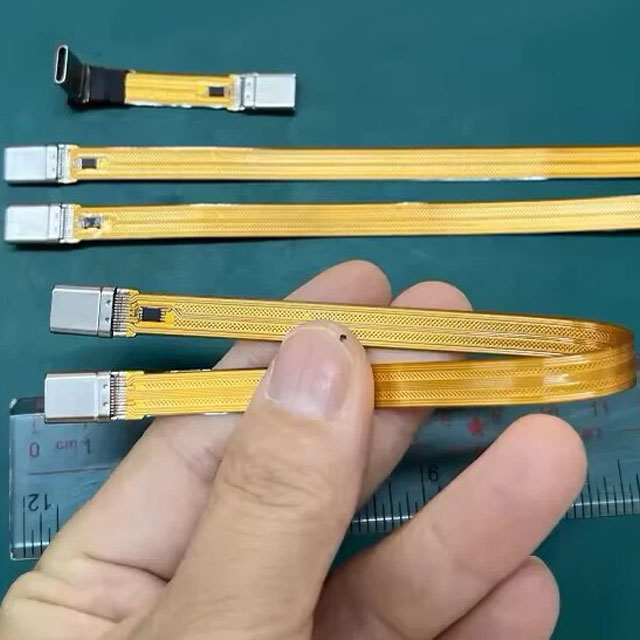
Automotive wiring harnesses provide numerous benefits that directly affect vehicle performance, safety, and longevity. Let’s explore some of the key advantages:
Less Shorting: Bundling wires together reduces the risk of short circuits. The wires are neatly organized, preventing them from coming into contact with each other or with other components that could cause problems.
Quick Setup: Wiring harnesses streamline the installation process by consolidating all the necessary wires into a single unit. This makes the installation faster and reduces the chances of wiring errors or mismatched connections.
Durability: Automotive wiring harnesses are designed to withstand extreme conditions, including temperature fluctuations, vibrations, and exposure to moisture. These harnesses are built to last and maintain reliable performance throughout the life of the vehicle.
Better Fuel Usage: A properly installed and maintained wiring harness optimizes the operation of electrical components, which in turn improves fuel efficiency. It ensures that power is distributed to components as needed, without overloading or wasting energy.
Selecting the right wiring harness for your car is crucial to ensure optimal performance and safety. Here are some key factors to consider:
Inspecting Circuit Connectors: Ensure that the connectors are compatible with your car’s model and electrical requirements. Mismatched connectors can cause electrical failures and even damage components.
Check for Expandability: Choose a wiring harness that allows for future upgrades. If you plan on adding new features or upgrading existing systems, an expandable harness will allow for easy integration of additional circuits.
Material Considerations: Opt for high-quality materials like copper or brass, which are known for their excellent conductivity and durability. Avoid using lower-quality materials, as they may degrade over time and affect the performance of your electrical system.
While automotive wiring harnesses are designed for longevity and reliability, they can encounter problems over time. Here are some of the most common issues:
Chafing: Wires that rub against other components or surfaces can wear down, exposing the wire and increasing the risk of fire hazards. This is especially common in areas where wires move or are in contact with hard surfaces.
Thermal Expansion: Changes in temperature can cause wires to expand and contract. This thermal fluctuation can lead to loose connections or breakages, disrupting electrical flow and causing system failures.
Corrosion: Exposure to moisture, salt, and air can cause corrosion on the wiring, reducing its ability to conduct electricity. Corrosion is particularly problematic in sensitive components such as the battery and engine.
How can you tell if your wiring harness is failing? Here are some common signs to look for:
Engine Shutdown: If the engine shuts off unexpectedly, it could be due to poor connections in the wiring harness.
Ignition Issues: Difficulty starting the car or experiencing intermittent power loss may indicate a problem with the wiring harness.
Malfunctioning Lights: If your car’s lights flicker, dim, or stop working, it could be due to a fault in the wiring harness.
Other Electrical Problems: Issues with the radio, airbags, or sensors could be a sign of an underlying wiring harness problem.
Detecting these issues early is essential to prevent further damage and costly repairs. Regularly inspecting your wiring harness and addressing problems as soon as they arise will help ensure the reliability of your car’s electrical system.
The automotive wiring harness plays an essential role in the functionality, safety, and efficiency of your vehicle. It serves as the backbone of your car’s electrical system, enabling the communication and power transmission required for everything from basic engine functions to advanced safety and comfort systems. Regular inspection and maintenance are vital to ensuring that the wiring harness remains in optimal condition, preventing potential failures and keeping the vehicle running smoothly.
Choosing the right wiring harness and properly maintaining it throughout the life of your vehicle ensures that your car’s electrical systems operate reliably, efficiently, and safely.
A: The automotive wiring harness acts as the backbone of a car’s electrical system, connecting various components to transmit power and data, ensuring everything operates correctly and safely:contentReference[oaicite:0]{index=0}.
A: Common issues include chafing (wires rubbing against components), thermal expansion (wires contracting in cold), and corrosion (which hampers conductivity).
A: Signs of a faulty wiring harness include engine shutdown, ignition problems, malfunctioning lights, and other electrical failures.
