


+86-13826948503 (Bella)
+86-18145725878 (Carven)


A loose wire can stop a whole machine. An Electrical terminal may look small, but it helps power move safely from one point to another. In this article, we will explain what it is, how it works, where it is used, and how to choose the right one for safe electrical connections.
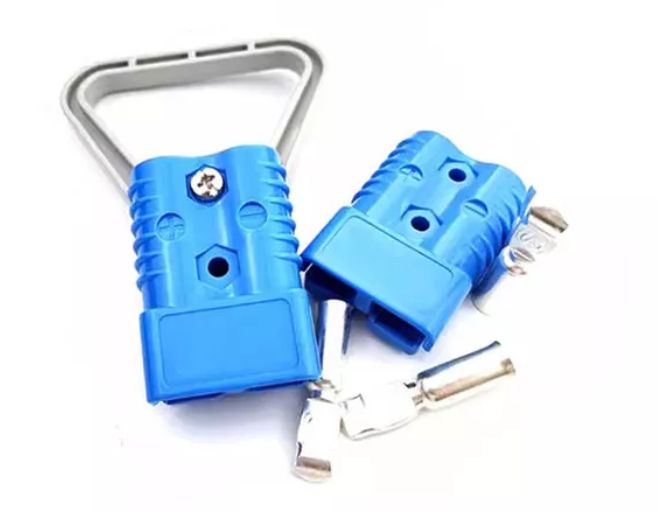
● An Electrical terminal is a conductive point where a wire, cable, device, or circuit connects to another electrical part.
● It helps current or signals move through a circuit while keeping the wire fixed.
● A wire terminal can be a bare wire end, crimp terminal, screw terminal, pin, ferrule, or contact inside an electrical connector.
● Common electrical terminal types include ring terminals, fork terminals, pin terminals, ferrules, butt splices, disconnect terminals, and terminal blocks.
● Terminal block connection types help organize wires in control panels, equipment cabinets, and industrial machines.
● The right connection terminal depends on wire size, current rating, voltage, vibration, heat, moisture, and service needs.
● Good terminals reduce loose wiring, overheating, voltage drop, corrosion, downtime, and difficult maintenance.
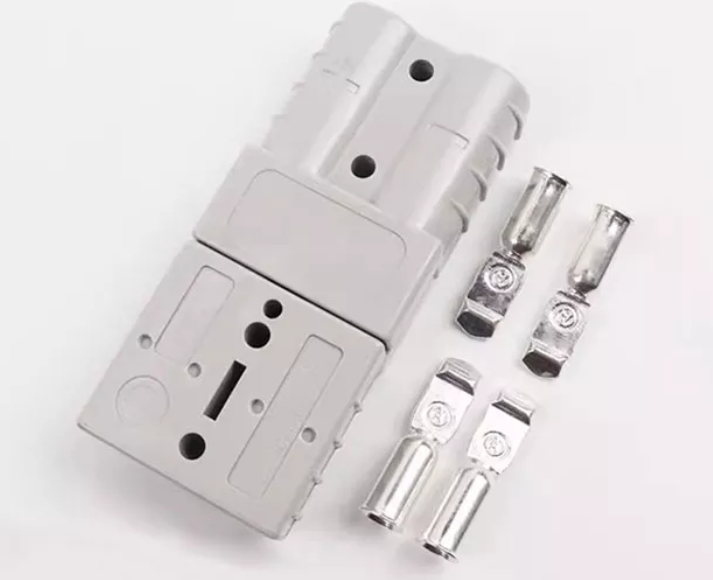
An electrical terminal is a conductive connection point where a conductor ends and connects to another electrical part. The conductor may be a wire, cable, circuit board, battery lead, switch, relay, motor, sensor, or power supply. In simple terms, it is the place where an electrical path begins, ends, or changes direction.
When people ask, “what is an electrical terminal,” they often want to understand the part they see inside a control box, wiring harness, battery, appliance, or machine cabinet. It may look like a small metal end, but its job is critical. It gives the conductor a stable place to touch another conductor or device.
The basic function of an Electrical terminal is to transfer current or signals while holding the wire in place. It must conduct electricity and also provide mechanical strength. If it only conducts but does not hold well, the wire may loosen. If it holds well but has poor contact, the circuit may heat up or fail.
A good terminal keeps the connection stable during normal operation. In machines, this matters because motors, heaters, fans, switches, sensors, and control systems may run for long hours. One weak point can affect the whole system.
A terminal may be as simple as the stripped end of a wire. In most practical systems, however, the wire end is fitted into a metal part. This may be a crimped terminal, pin terminal, ring terminal, fork terminal, ferrule, or connector contact.
The terminal gives the wire a defined shape. It also protects the conductor from fraying, bending, or spreading under pressure. This is especially useful for stranded wires, which contain many small copper strands.
Many electrical terminals are designed for inspection, replacement, and repair. A screw terminal, spring terminal, or terminal block lets technicians remove and reconnect wires without cutting them. This makes maintenance easier than permanent soldered joints.
In industrial equipment, service access matters. If a control cabinet needs testing, the technician can check terminals, tighten them, replace damaged wires, or trace signals. A reusable connection saves time and reduces wiring waste.
In circuit diagrams, terminals often show where external wiring connects to a device or circuit. These points help engineers and technicians understand how power, signals, or control lines enter and leave a system.
This is useful in control panels, machines, and automated production lines. A clear terminal layout helps people read the wiring plan, locate faults, and match each wire to its function.
In batteries and DC circuits, terminals are often marked positive and negative. The positive terminal connects to the positive side of the circuit. The negative terminal connects to the return side.
In general electrical wiring, “terminal” does not always mean positive or negative. It simply means a connection endpoint. In AC systems or machine cabinets, terminals may be marked by phase, number, signal name, or equipment function.
An electrical terminal works by creating a metal-to-metal contact surface. Current or signals pass through this contact from the wire to the connected device. The contact must be clean, tight, and properly sized.
If the contact area is too small, resistance may rise. When resistance rises, heat may build up. Over time, heat can damage insulation, loosen the contact, or cause a circuit fault. This is why terminal quality and installation skill both matter.
A terminal also needs strong holding force. Different designs use different methods. Crimp terminals grip the conductor through compression. Screw terminals clamp the wire or ferrule. Spring terminals use spring pressure. Solder terminals bond the wire to metal. Plug-in terminals use mating contacts.
Each method has its place. Crimp terminals are fast and reliable when used with the right tool. Screw terminals are common in panels. Spring terminals help speed up wiring. Solder terminals suit certain electronic work. Plug-in terminals help when quick connection is needed.
Contact resistance is the resistance at the connection point. A low value helps current move smoothly. A high value may cause voltage drop, heat, signal loss, or unstable operation.
In a control cabinet, poor contact may lead to false signals or device failure. In a motor circuit, it may cause overheating. In a heating circuit, it may affect temperature stability. In automated equipment, it can create faults that are hard to find.
Electrical terminals often work in tough environments. Machines may vibrate. Cabinets may face dust, heat, or moisture. Outdoor systems may face rain or corrosion. In these cases, insulation, plating, heat shrink sleeves, sealed housings, and proper materials help protect the connection.
Note:A terminal can fail even when the metal part looks fine. Poor stripping, wrong crimp force, loose screws, or mismatched wire size can all cause problems.
Factor | What to Check | Why It Matters |
Wire size | Match terminal range | Prevent loose or crushed wires |
Current rating | Match circuit load | Reduce overheating risk |
Contact method | Crimp, screw, spring, solder, plug-in | Fit installation and service needs |
Insulation | Vinyl, nylon, heat shrink, or none | Improve safety and protection |
Environment | Heat, moisture, vibration, dust | Extend service life |
Inspection access | Easy to see and test | Speed up maintenance |
A ring terminal has a closed round end. It fits over a screw or stud. After tightening, it cannot slip off unless the screw or nut is removed. This makes it useful for secure power connections, grounding points, and vibrating equipment.
Ring terminals are common where safety and holding strength matter. They are often used in panels, machines, vehicles, and battery-related systems.
A spade or fork terminal has an open end. It slides under a screw or stud. The screw does not always need to be fully removed, so installation and service can be faster.
Fork terminals are helpful when wiring may need adjustment. They still need correct tightening, because vibration can loosen poorly secured connections.
Pin terminals and wire ferrules help manage stranded wire. They gather the wire strands into one solid contact point. This helps prevent strand damage when a screw clamp presses on the wire.
Ferrules are especially useful in terminal blocks. They make the wire end cleaner, easier to insert, and easier to inspect. They also reduce the chance of stray copper strands causing a short circuit.
A butt splice connects two wire ends together. It is often used for wire repair or wire extension. A disconnect terminal allows a connection to be opened and closed more easily. It is useful when parts need service, testing, or replacement.
Tip:Choose terminals based on how the wire will be used, not only how it looks. A permanent splice and a serviceable disconnect solve different problems.
An electrical terminal is usually the conductive contact point. An electrical connector is often the full assembly. It may include a plastic housing, locking part, seal, shell, and one or more terminals inside.
For example, a wire connector may plug into a sensor or control device. Inside it, small terminals touch matching terminals on the other side. The connector makes the connection easy to plug and unplug, while the terminals perform the electrical contact.
A terminal block is a structured part that holds terminals inside an insulated body. It organizes wire-to-wire or wire-to-device connections. It is common in electrical panels, machine cabinets, control boxes, and automation systems.
Terminal block connection types may include screw clamp, spring clamp, push-in, barrier strip, plug-in, and feed-through designs. Each type supports a different wiring style, space need, and maintenance method.
In daily use, people may say “terminal,” “connector,” or “terminal block” loosely. This is normal, but the difference matters during part selection. If you order the wrong item, the wire may not fit, the rating may be wrong, or the connection may not pass inspection.
A terminal is the contact. A connector joins circuits as an assembly. A terminal block organizes multiple connection points. Knowing this helps avoid confusion in purchasing, wiring, and maintenance.
Start with wire size. The terminal must match the wire gauge or cross-section. A small wire in a large terminal may pull out. A large wire in a small terminal may not fit or may be damaged.
Next, check current and voltage. A terminal used in a power circuit must carry the expected load. A terminal used for signals may carry less current, but it still needs clean and stable contact.
Different connection methods suit different jobs. Crimp terminals work well for fast wire preparation. Screw terminals are easy to inspect. Spring terminals can save panel wiring time. Solder terminals suit some electronic assemblies. Plug-in terminals help modular equipment.
The best choice depends on production process, tool availability, skill level, and service plan. A factory making many wiring harnesses may prefer crimping. A control cabinet builder may prefer terminal blocks and ferrules.
Look at heat, moisture, chemicals, dust, vibration, and outdoor exposure. These factors decide the terminal material, insulation, sealing, and protection method.
For industrial machines, terminals may sit near motors, heaters, fans, pumps, or control components. In plastic processing lines, wiring may support temperature control, feeding, cooling, cutting, air cooling, storage, and safety protection. A stable connection helps the whole line run smoothly.
Terminals should be accessible where regular inspection is needed. Crowded wiring makes troubleshooting slow. Clear labels, correct ferrules, proper tightening, and separated power and signal wiring help reduce mistakes.
Tip:Before commissioning a machine, inspect terminal tightness, wire labels, ferrule insertion, grounding points, and cabinet sealing. Small checks can prevent long downtime.
Huamao electronics provides electrical connection solutions for wiring applications that need stable contact, clean assembly, and long-term reliability. Its product range can support wire terminals, terminal blocks, insulated terminals, non-insulated terminals, crimp terminals, ring terminals, fork terminals, pin terminals, ferrules, splices, wire connectors, and related connection parts.
These products help create safer wire ends, cleaner harness layouts, and easier installation. They are valuable in control cabinets, electrical panels, machinery, appliances, energy systems, automated equipment, and industrial wiring projects. By matching the right terminal to the wire and working environment, users can reduce loose connections, overheating, rework, and maintenance delays.
Different wiring jobs need different terminal choices. A compact appliance may need small insulated terminals. A control cabinet may need terminal blocks and ferrules. A machine harness may need crimp terminals and connectors. A power circuit may need stronger ring terminals or larger connection terminals.
Huamao electronics can support different wire sizes, conductor materials, insulation needs, and installation conditions. For machine builders, this helps improve assembly consistency. For maintenance teams, it makes replacement and inspection easier. For equipment projects, it helps build a more reliable electrical system from the start.
Good terminal selection should not rely on appearance alone. It should consider current rating, voltage, wire gauge, mounting method, insulation material, working temperature, vibration, moisture, and service access.
Technical guidance helps customers avoid common mistakes, such as using the wrong terminal size, mixing unsuitable materials, choosing weak insulation, or ignoring environmental stress. The result is a connection system that works better in real use, not only on paper.
Note:For industrial equipment, terminal selection should be reviewed together with wiring layout, control cabinet design, protection devices, and maintenance access.
An Electrical terminal is a small but important part. It connects wires to devices, circuits, and panels. It helps current move safely. It also keeps wiring stable and easier to service. Choose terminals by load, wire size, environment, and safety needs, not price alone.
A: An Electrical terminal is a conductive point where a wire connects to another part.
A: They create firm metal contact and hold the wire in place.
A: An Electrical terminal reduces loose wiring, heat, and connection failure.
A: A terminal is the contact; a connector is the full assembly.
A: Better terminals may cost more but reduce repair time.
A: Wrong size, poor crimping, corrosion, heat, or loose screws.
