


+86-13826948503 (Bella)
+86-18145725878 (Carven)

Author: Site Editor Publish Time: 2025-07-01 Origin: Site

Wondering which type of harness is right for your project? Cable harnesses and wire harnesses are often confused, but they have key differences.In this article, we’ll compare the two, exploring their unique features, uses, and what makes each suitable for specific applications. By the end, you’ll know when to use a cable harness vs. a wire harness.
A cable harness is a collection of wires or cables bundled together to form a single unit. This unit serves as a way to organize and protect the individual wires inside. The wires are wrapped in a protective outer sheath, which helps to shield them from external factors like dust, moisture, and physical wear.
Cable harnesses play a crucial role in electrical systems by ensuring that wires are properly organized and protected. They simplify installation by reducing the mess of individual wires. They also improve safety by minimizing the risk of electrical shorts, reducing the chances of wires tangling or getting damaged. In complex applications, cable harnesses make systems more reliable and easier to maintain.
A typical cable harness consists of several wires bundled together into a single, compact unit. These wires are often insulated to prevent short circuits. They are then grouped and enclosed in a strong, durable outer covering, such as thermoplastic rubber or vinyl. This outer sleeve protects the cables from external damage, like heat, moisture, or mechanical wear. Sometimes, the individual wires within a cable harness can also be color-coded or labeled to make identification easier during installation or repairs.
Some of the key elements of a cable harness construction include:
Individual wires or cables: These are the basic electrical conductors.
Insulation: Keeps wires separate and prevents accidental electrical shorts.
Bundling: Groups wires together to keep things organized.
Protective sheath: A layer of durable material that protects the wires from environmental damage.
This structured approach helps make electrical systems more efficient and safe.
A wire harness is a collection of wires bundled together into a single unit. Unlike a cable harness, it typically lacks the protective outer sheath. Its role in electrical systems is to keep wires organized and properly connected, preventing them from becoming tangled or disorganized. Wire harnesses help streamline the wiring process by grouping the wires together, making installation easier.
Wire harnesses are essential for managing the complexity of electrical wiring. They provide an efficient way to group multiple wires that need to connect different components. By organizing the wires, they reduce the risk of confusion, installation errors, and potential electrical issues. Wire harnesses also make it easier to perform maintenance or repairs on electrical systems, as the wires are clearly grouped and easy to identify.
A wire harness is made by taking multiple wires, each usually insulated to prevent electrical shorts, and grouping them together. These wires are then bundled into a unit, often using cable ties, clamps, or other organizing methods. The harness itself may have a simple outer cover made from materials like thermoplastic or thermoset, though it's less robust than a cable harness. This outer layer serves to hold the wires together and offer minimal protection from external elements.
Key elements of a wire harness construction include:
Insulated wires: To protect from electrical shorts.
Bundling: Keeps wires organized and easy to route.
Outer cover: Protects the wires from abrasion and minor environmental factors.
Wire harnesses are designed to keep things neat and manageable, ensuring electrical systems stay functional and safe.
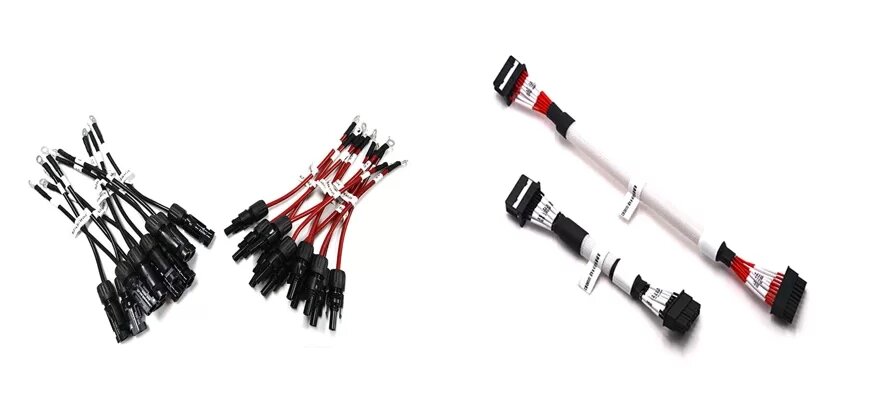
Cable harnesses are designed to withstand tough environments. Their durable outer layer, typically made from materials like thermoplastic rubber or vinyl, offers protection against moisture, dust, high temperatures, and physical wear. This makes them ideal for outdoor applications or industries where wires must endure harsh conditions.
Wire harnesses, on the other hand, provide minimal protection. They are usually used indoors where the environmental factors are less extreme. The wires are bundled together for organization, but they are not shielded by a heavy-duty outer covering. This makes them more suitable for environments like homes or office buildings, where protection from the elements is not a major concern.
Cable Harness: Used in military vehicles, aerospace equipment, and outdoor machinery.
Wire Harness: Commonly found in appliances, computers, and automotive interiors.
Cable harnesses are built with a strong outer sheath that protects the bundled wires inside. This sheath can be made from vinyl, thermoplastic, or thermoset materials. The sleeve keeps the wires secure, ensuring they remain undamaged even in extreme conditions. The wires inside are typically arranged in a neat, organized bundle, making installation easier.
Wire harnesses have a simpler design. The wires are bundled together, but they do not have the robust outer sleeve seen in cable harnesses. While this makes wire harnesses less durable, they are more flexible and easier to handle during installation. The wires within a wire harness are usually insulated to prevent short circuits.
| Feature | Cable Harness | Wire Harness |
|---|---|---|
| Protection | Heavy-duty outer sheath for protection | Minimal protection, no outer sheath |
| Flexibility | Less flexible, sturdier design | More flexible and easier to route |
| Construction | Multiple wires inside a strong sleeve | Simple bundling of wires |
The added protection and durable materials used in cable harnesses make them more expensive. Their construction involves high-quality sheathing materials, which contribute to their higher cost. However, this higher price is justified by the extended protection they provide in harsh environments.
Wire harnesses are typically more affordable because they focus on basic organization. They don’t require the same level of protection as cable harnesses, making them a more budget-friendly option. For many indoor applications, the protection provided by a wire harness is sufficient, which is why they are often chosen in less demanding environments.
| Feature | Cable Harness | Wire Harness |
|---|---|---|
| Cost | Higher due to added protection and materials | More affordable, simpler design |
| Protection | Extensive protection for outdoor/harsh environments | Minimal protection, suitable for indoor use |
Cable harnesses are essential in industries that demand high performance and reliability in harsh environments. These industries include:
Military: For connecting communication devices, military vehicles, and heavy equipment.
Aerospace: In aircraft and spacecraft, where extreme conditions like temperature fluctuations and physical stress are common.
Medical: Used in high-precision medical equipment, like MRI machines and diagnostic devices, where safety and data integrity are critical.
Construction: In machinery and equipment that operate under tough outdoor conditions.
Cable harnesses are the go-to solution for outdoor equipment exposed to varying environmental conditions. Some examples include:
Aircraft: Cable harnesses protect wiring from extreme temperatures, pressure changes, and vibration.
Military Equipment: Tactical vehicles, weaponry systems, and communication devices need cable harnesses to survive rough conditions.
Automotive Systems: Vehicles, especially electric cars, rely on cable harnesses to manage complex electrical systems in exposed environments.
Wire harnesses are commonly used in consumer electronics, where protection from environmental factors is less of a concern. These include:
Computers: Internal wiring systems are organized and connected via wire harnesses.
Televisions and Refrigerators: Wire harnesses help maintain tidy electrical systems inside household appliances.
Microwaves and Other Appliances: Essential for wiring and maintaining order in these devices.
Wire harnesses also serve critical functions in:
Cars: Used in dashboards, lighting, and engine bays for simpler wiring connections.
Airplanes: Inside cabin systems, including navigation and communication units, wire harnesses keep wiring neat and organized.
When deciding between a cable harness and a wire harness, you need to consider the level of protection required for your project. If the environment is rugged and exposed to extreme conditions, a cable harness is the better choice. It provides added protection against heat, moisture, and physical damage.
For indoor applications or environments where protection from environmental factors isn’t a concern, wire harnesses are more suitable. They are cost-effective, easier to install, and great for organizing wiring in less demanding conditions.
Outdoor Equipment: Choose a cable harness for projects that involve equipment exposed to the elements, like vehicles, outdoor machinery, or airplanes.
Indoor Electronics: Wire harnesses are a better fit for household devices, computers, and appliances where protection from external factors isn’t as crucial.
| Application | Cable Harness | Wire Harness |
|---|---|---|
| Heavy-duty Industries | Military, aerospace, medical, construction | - |
| Outdoor Equipment | Aircraft, military vehicles, automotive | - |
| Consumer Electronics | - | Computers, appliances, TVs |
| Automotive & Airplanes | Systems exposed to extreme conditions | Cars, airplane cabin systems |
By understanding the requirements of your project and the level of protection needed, choosing between a cable harness and wire harness becomes much simpler.
Cable harnesses are designed for tougher environments. Their outer sheath, often made of thermoplastic or thermoset materials, provides strong protection against moisture, dust, high temperatures, and physical wear. This makes them ideal for rugged conditions where durability is key. For example, cable harnesses are used in military equipment, aerospace, and outdoor machinery, where wires are exposed to harsh weather and extreme physical stress.
Wire harnesses, however, offer minimal protection. They are best suited for indoor applications where environmental factors like extreme heat, moisture, or friction are not a concern. They are typically used in everyday devices like computers and appliances, where the need for protection is lower.
| Harness Type | Durability | Protection | Best For |
|---|---|---|---|
| Cable Harness | High durability, can withstand extreme conditions | Strong protection against weather and physical damage | Military, aerospace, outdoor equipment |
| Wire Harness | Less durable, limited protection | Basic protection, ideal for indoor use | Consumer electronics, office appliances |
Wire harnesses are known for their simplicity in design. They are easier to install because they are lightweight and flexible. The individual wires are bundled together and typically have minimal insulation. This design allows for quick installations and repairs, making wire harnesses a great choice for low-cost, simple projects where speed is important.
Cable harnesses, on the other hand, have a more complex design. Their durability comes from the added protective layers and sturdier materials. While this makes installation more challenging, it provides better long-term reliability. Cable harnesses are built to last in more demanding environments, making them ideal for applications that require consistent performance over time, even under tough conditions.
| Harness Type | Design Complexity | Installation | Long-Term Reliability |
|---|---|---|---|
| Cable Harness | More complex, robust design | Harder to install but provides better protection | Best for tough, long-term use |
| Wire Harness | Simple design, flexible | Easier to install and maintain | Less durable, best for indoor use |
Cable harnesses offer several key benefits, especially for applications that demand high durability and protection. Here’s why they stand out:
High resistance to environmental factors: Cable harnesses are designed to handle extreme conditions. They resist heat, moisture, and friction, making them perfect for industries like aerospace and military.
Suitable for outdoor and harsh conditions: Their robust outer sheath keeps wires safe in environments exposed to physical stress, temperature extremes, and other challenging elements.
Longer lifespan: Thanks to the use of durable materials like thermoplastic and thermoset plastics, cable harnesses last longer, ensuring reliable performance over time, even under tough conditions.
| Benefit | Cable Harness |
|---|---|
| Environmental resistance | High resistance to heat, moisture, and friction |
| Durability | Designed for outdoor and harsh conditions |
| Lifespan | Longer lifespan due to heavy-duty materials |
Wire harnesses also have distinct advantages, particularly in simpler, indoor applications:
Cost-effective and easy to install: Wire harnesses are less expensive, making them a budget-friendly choice. Their simple design also makes installation quicker and easier.
Ideal for indoor applications and simpler designs: If your project doesn’t require heavy protection or exposure to the elements, wire harnesses are an ideal choice.
Easier to modify or repair: Because of their simpler construction, wire harnesses are easier to modify or repair when needed, offering flexibility for adjustments.
| Benefit | Wire Harness |
|---|---|
| Cost-effective | Lower cost due to minimal protection |
| Simplicity | Easier to install and maintain |
| Flexibility | Easier to modify or repair |
Higher cost: Cable harnesses are more expensive due to their complex design and heavy-duty materials. While they offer better protection, the added cost may not be justified for simpler projects.
Heavier design: The robust protective outer sheath adds weight, making cable harnesses less flexible and harder to work with in tight spaces.
Limited protection: While suitable for indoor use, wire harnesses do not offer the level of protection required for outdoor or extreme environments.
Not suitable for harsh conditions: Wire harnesses are not designed to withstand high temperatures, moisture, or friction, which limits their use in tougher applications.
| Disadvantages | Cable Harness | Wire Harness |
|---|---|---|
| Cost | Higher due to added protection and materials | Lower cost but lacks protection |
| Design | Heavier, less flexible | Less durable, not for extreme environments |
When deciding between a cable harness and a wire harness, there are several important factors to keep in mind. Here’s a breakdown to help you choose the best one for your specific needs.
Outdoor Use: If your project involves outdoor equipment or machinery, such as vehicles, aircraft, or construction equipment, a cable harness is the better choice. Its protective outer sheath shields the wires from harsh weather, dust, and extreme temperatures.
Indoor Use: For applications like computers, household appliances, or office equipment, a wire harness works just fine. It’s cost-effective and provides enough organization for systems not exposed to extreme environmental conditions.
| Environment | Best Harness Type |
|---|---|
| Outdoor | Cable Harness |
| Indoor | Wire Harness |
Cable Harness: While offering superior protection, cable harnesses tend to be more expensive due to their complex design and use of high-quality materials. If you're on a tight budget, they may not be the best choice unless your application demands it.
Wire Harness: Wire harnesses are much more affordable, making them a great choice for projects where cost is a significant concern. They’re simpler to manufacture and install, which reduces the overall price.
| Cost | Cable Harness | Wire Harness |
|---|---|---|
| Budget-Friendly | Higher cost | Lower cost |
| Protection Needed | Best for harsh conditions | Good for simple applications |
Cable Harness: If your project requires long-term durability, such as outdoor installations or machinery exposed to wear and tear, a cable harness is the right choice. Its robust materials and protection ensure reliability over extended periods, even in tough conditions.
Wire Harness: For short-term or less demanding applications, wire harnesses are suitable. They provide basic protection and organization but won’t stand up to extreme conditions for long.
| Durability | Cable Harness | Wire Harness |
|---|---|---|
| Long-term use | High durability | Shorter lifespan |
| Extreme conditions | Best for rugged conditions | Suitable for simpler environments |
Identify the environment: Consider whether your system will be exposed to extreme conditions. Choose a cable harness for outdoor or industrial use, and a wire harness for indoor applications.
Set a budget: Determine how much you're willing to spend. If cost is a priority, wire harnesses offer an affordable solution. For high-performance needs, cable harnesses are worth the investment.
Assess long-term needs: Think about how long you need the harness to last. If durability and protection are crucial, go for a cable harness. For simpler, less demanding systems, a wire harness is ideal.
Make your decision: Based on the environment, cost, and durability needs, choose the type of harness that fits your project.
This step-by-step process will help you choose the right harness based on your specific requirements.
Cable harnesses provide superior protection and durability for outdoor and rugged environments. They are ideal for heavy-duty industries and harsh conditions.Wire harnesses are cost-effective and simpler to install, making them perfect for indoor applications and basic needs.Need help choosing the right harness for your project? Contact an expert or manufacturer to discuss your options.
A: A wire harness groups wires together for organization, while a cable assembly bundles wires with added protection against environmental factors like moisture and heat.
A: Wire harnesses are not designed for harsh outdoor conditions. They are best for indoor use where environmental factors are minimal.
A: Common materials include thermoplastic, thermoset materials, and vinyl, which offer strong protection against environmental damage.
A: Consider the environment, cost, and durability. Use a cable harness for outdoor, high-performance needs, and a wire harness for indoor, budget-friendly projects.
A: Cable harnesses have a longer lifespan due to their durable materials, while wire harnesses are more suitable for short-term, indoor use.
