


+86-13826948503 (Bella)
+86-18145725878 (Carven)

Author: Site Editor Publish Time: 2025-07-11 Origin: Site

Have you ever wondered how all the electrical components in your car work seamlessly together? The answer lies in a crucial yet often overlooked part: the wiring harness.A car’s wiring harness is the "nervous system" of its electrical system, connecting vital components like sensors, lights, and the engine. In this post, we’ll explore the importance of wiring harnesses, how they function, and why they’re essential for the smooth operation of your vehicle.
Wiring harnesses are the backbone of a car's electrical system, responsible for delivering power and transmitting signals across various components. From the engine to the dashboard, these harnesses ensure that electrical current flows seamlessly to vital parts like sensors, actuators, and the ECU. Without them, your car wouldn't be able to function properly, as they link all the electrical systems together.
These harnesses enable features like power windows, climate control, and lighting, allowing your car to operate smoothly. By connecting critical systems, wiring harnesses play a direct role in ensuring that every electrical component communicates effectively with one another.
Wiring harnessesdo more than just power components; they help maintain your car’s safety. They’re designed to minimize the risk of electrical malfunctions, which could lead to dangerous issues like short circuits or fires. Properly designed harnesses help prevent these problems by neatly organizing wires, reducing wear and tear, and protecting them from heat, moisture, and vibrations.
Moreover, wiring harnesses contribute to the reliability of vital safety features, such as airbags and ABS. By ensuring these systems receive the correct signals, they play a crucial role in the overall safety of the vehicle, making sure everything functions as expected in an emergency situation.
A wiring harness is made up of several key components that work together to ensure the smooth operation of a car's electrical systems. These components include:
Wires: These are the conductive elements that carry electricity from one point to another. They come in various sizes and insulation types, depending on the power or signal they need to carry.
Connectors: Connectors link different sections of the wiring harness together. They ensure that power and signals are transmitted properly between the car’s components.
Terminals: These are the metal ends of the wires that connect to electrical components like sensors or control units. They provide a secure connection, ensuring reliable signal transmission.
Other elements: These can include fuses, relays, and junction blocks, which help to manage the flow of electricity and protect the system from short circuits or overloading.
Each part plays a vital role in making the harness functional, ensuring that electrical power and signals reach the appropriate components.
Wiring harnesses are built to withstand the tough conditions inside a vehicle. To ensure durability, manufacturers use high-quality materials such as:
Heat-resistant wires: These are used to prevent the wires from melting or degrading in high-temperature environments, like the engine bay.
Moisture-proof connectors: These connectors are designed to prevent damage caused by moisture, which can lead to corrosion and electrical failures.
Vibration-resistant insulation: The wires are often coated in protective materials that reduce the risk of wear and tear caused by vibrations from the car’s movement.
The design process takes these factors into account to create a wiring harness that can resist extreme conditions, ensuring long-lasting performance in a vehicle.
Wiring harnesses are tailored to specific functions in a car, each designed to support different systems and components. Here's a look at the various types:
Engine Wire Harness: This harness is responsible for powering essential engine components. It connects parts like the fuel injectors, spark plugs, and ignition coils, ensuring the engine operates smoothly. It must withstand high temperatures and vibrations.
Chassis Wire Harness: Found in the vehicle's frame, this harness controls features related to the chassis, such as lighting, ABS systems, and suspension components. It ensures these features are powered and functioning correctly.
Body Wire Harness: This harness manages electrical systems within the car’s body, such as the interior lights, sound systems, and power outlets. It is routed throughout the body and sometimes into the trunk area.
Door Wire Harness: Installed in the doors, this harness powers electrical components like power windows, locks, and side mirrors. It is designed to be flexible and durable, as the door moves when opened and closed.
Dashboard Wire Harness: This harness connects to the vehicle’s dashboard, powering essential instruments and switches, including the speedometer, warning lights, and other driver interface systems.
Powertrain Wire Harness: It links the engine and drivetrain components, ensuring smooth operation by transmitting power and signals between the engine, transmission, and other parts of the powertrain.
HVAC Wire Harness: This harness controls the heating, ventilation, and air conditioning systems. It connects components like the blower motors and A/C compressors to ensure the car's cabin stays comfortable.
Autonomous Driving Harness: Found in modern vehicles, this specialized harness supports the complex electrical systems required for autonomous driving, linking sensors, cameras, and the vehicle’s processing units to enable self-driving capabilities.
Electric Vehicle (EV) Harness: EVs require specialized wiring due to their high-voltage systems. This harness connects the battery, motor, and other powertrain components, ensuring smooth operation of electric drivetrains while managing high power loads safely.
Wiring harnesses are essential in supporting the advanced technologies found in today’s cars. As vehicles become smarter, these harnesses enable the integration of complex systems like autonomous driving, AI-driven safety features, and high-tech infotainment. They allow these systems to communicate effectively by transmitting power and signals between components, such as cameras, sensors, control units, and displays.
With the rise of autonomous vehicles, wiring harnesses now handle vast amounts of data and power. For example, optical harnesses for sensors are crucial for real-time monitoring of the car's surroundings, enabling safe and smooth driving. Additionally, infotainment systems rely heavily on wiring harnesses to connect the dashboard to entertainment, navigation, and communication functions, giving drivers a seamless experience.
As cars evolve to include more advanced features, wiring harnesses need to be more complex. Modern cars can contain up to three miles of wiring to support these functions, compared to just a few hundred feet in older models. This increase in wiring length and complexity is a direct result of the growing number of technological features in modern vehicles.
Wiring harnesses have evolved significantly over the years to keep up with advancements in automotive technology. In older cars, the wiring was relatively simple, connecting basic components like lights and the engine system. However, modern vehicles, especially those equipped with autonomous driving capabilities, require far more intricate systems to handle the increased demand for power, data transmission, and connectivity.
Today, the complexity of wiring harnesses is much higher. Cars now have separate harnesses dedicated to individual functions such as autonomous driving, climate control, and entertainment systems. This evolution is necessary because of the wide range of systems that must be integrated and communicate seamlessly with each other. The increased use of high-voltage cables, especially in electric and hybrid vehicles, also demands more robust and sophisticated wiring harness designs.
This shift towards more complex wiring systems allows modern cars to support the ever-expanding array of advanced technologies, ensuring they remain safe, efficient, and functional.

Wiring harnesses play a crucial role in optimizing the performance of a car’s engine and drivetrain. They connect the engine control unit (ECU) to vital engine components, such as the fuel injectors, ignition coils, and sensors, ensuring that signals are transmitted accurately. This allows the engine to operate efficiently, adjusting fuel and air mixtures, and managing ignition timing.
The wiring harness also influences fuel efficiency by ensuring that the engine’s systems communicate effectively, leading to better fuel management. It helps with exhaust control and emissions management, ensuring that the vehicle complies with environmental standards and reduces its carbon footprint. Without properly functioning wiring harnesses, these systems would be less effective, leading to poor performance and higher emissions.
Wiring harnesses are just as important when it comes to ensuring comfort for passengers. They connect and power various comfort-related features inside the car, such as the HVAC (heating, ventilation, and air conditioning) system. By transmitting signals to the blower motors, compressors, and sensors, wiring harnesses enable the vehicle to maintain the desired cabin temperature, ensuring a comfortable ride regardless of the weather outside.
In addition to climate control, wiring harnesses manage lighting systems, including interior lights and ambient lighting, enhancing the driving experience. They also play a role in infotainment systems, connecting components like the stereo, screen, and navigation systems. These features rely heavily on wiring harnesses to function properly, providing entertainment, guidance, and convenience to passengers.
Wiring harnesses are essential for a car’s electrical system, but over time, they can encounter issues like damage, wear, and corrosion. These problems typically arise due to exposure to extreme temperatures, moisture, or vibrations. Damage may occur if the harness gets pinched or rubbed against sharp edges, causing cuts or fraying of the wires.
Corrosion is another common issue, especially in areas exposed to moisture or salt. This can disrupt the electrical flow, leading to malfunctioning systems, such as lights or sensors. These issues affect the overall functionality of the car, causing the electrical components to stop working or behave erratically, leading to safety and performance concerns.
Identifying issues with the wiring harness is essential for timely repairs. Some common signs of a damaged harness include:
Malfunctioning lights: Flickering or non-functional lights could indicate an issue with the wiring.
Dashboard errors: If the dashboard displays error codes or warning lights, it could point to a wiring issue.
Strange noises: Unusual noises like buzzing or clicking might suggest loose or damaged connections.
To diagnose wiring harness problems, start by visually inspecting the wires for signs of wear, corrosion, or cuts. If these problems are hard to spot, a multimeter can help check for electrical continuity and ensure the wires are carrying the correct signals.
To keep your wiring harness in good condition and avoid costly repairs, regular maintenance is crucial. Here are a few tips:
Inspect regularly: Perform visual inspections of the harness to check for wear or fraying, especially around high-risk areas like under the hood or near sharp edges.
Protect from moisture: Ensure that connectors and exposed wires are moisture-proof and protected with the right insulation.
Prevent wear: Secure the harness properly, ensuring it doesn't rub against sharp parts of the car.
Regular maintenance and early detection of problems can help you avoid major electrical failures and extend the lifespan of your car’s wiring harness.
Wiring harnesses in electric and hybrid vehicles (EVs) are more complex than those in traditional vehicles. One of the main differences is the high-voltage requirement. In an EV, the battery system supplies power to the motor and other components, necessitating thicker wires and specialized insulation to handle high currents safely.
Unlike traditional cars, where wiring harnesses mainly support low-voltage systems, EVs require wiring that connects the electric powertrain, including the battery, motor, and inverters. This makes the wiring harnesses in EVs larger and more intricate. They also manage the flow of energy between the battery and various systems in the vehicle, ensuring everything runs smoothly.
Additionally, the harnesses in EVs must be designed to be lightweight and compact to optimize space and performance in an already confined electric vehicle setup.
Designing wiring harnesses for electric vehicles presents a unique set of challenges. First, there is the need to manage high-voltage cables. These cables need special insulation and protection to prevent dangerous electrical faults. They must also be carefully routed to avoid potential hazards from heat or physical damage.
Another challenge is ensuring the efficiency and safety of these systems. The harnesses must not only transmit power effectively but also minimize energy loss. Additionally, they must be flexible enough to accommodate the moving parts of the vehicle, while being robust enough to endure vibrations, wear, and extreme temperatures.
Finally, because EVs have complex electronics and energy systems, wiring harnesses must integrate well with the car's battery management system, motor controls, and other high-tech components. Engineers must ensure the harnesses are designed to handle this complexity without compromising safety or performance.
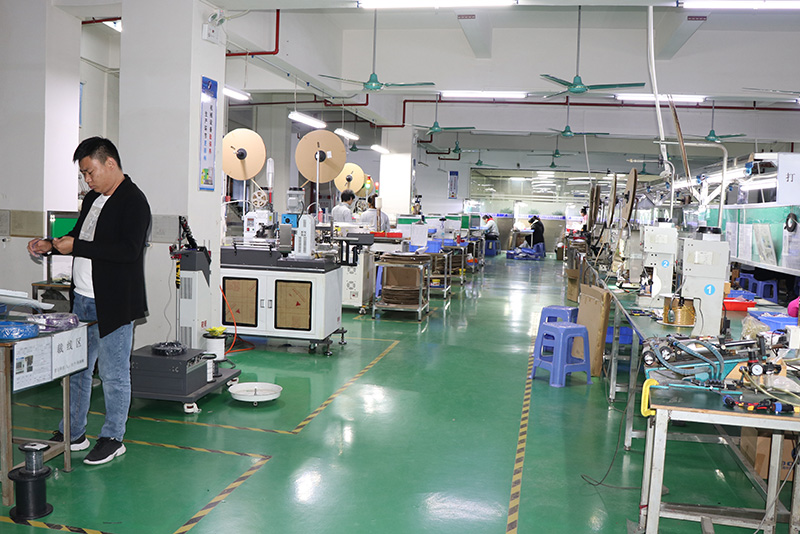
The manufacturing process of a car’s wiring harness involves several detailed steps, starting from the design phase and ending with testing and quality control. Here's an overview of the process:
Design Phase: Engineers create a detailed design based on the car’s specifications. They use 3D modeling and simulation software to ensure the harness fits perfectly within the vehicle’s structure and meets all electrical requirements.
Material Selection: After the design is finalized, the materials for the harness are selected. These include the wires, connectors, insulation, and protective coatings. These materials are chosen based on their durability, heat resistance, and electrical conductivity.
Wire Cutting and Stripping: The wires are cut to precise lengths and stripped of insulation where necessary, ready to be connected to terminals.
Assembly: Wires are arranged according to the design, and connectors are attached to the wire ends. The wires are then grouped together and secured in place, often with ties or clips to keep everything organized and protected.
Testing: Once the harness is assembled, it undergoes several tests, including electrical continuity checks to ensure it can carry power and signals without interruptions. The harness is also tested for durability, including its resistance to heat, moisture, and physical stress.
Final Inspection: The harness is inspected for any defects, such as loose connections or incorrect wire placements, before being sent to the vehicle’s assembly line.
The quality of a wiring harness is crucial to its performance and longevity. Several factors influence its quality:
Materials: The quality of the wires, connectors, and insulation plays a significant role in the harness's overall durability. High-quality materials ensure better electrical conductivity and resistance to damage from heat and environmental factors.
Durability: The harness must withstand harsh conditions, such as high temperatures, moisture, and vibrations. This requires the use of materials and manufacturing techniques that ensure long-lasting performance.
Precision in Design: Accurate design and careful assembly are vital to ensure the wiring harness fits properly in the vehicle. Precision ensures that wires are correctly routed, and connectors are securely placed to prevent short circuits or disconnections.
Manufacturing Processes: The manufacturing process itself, including the choice of tools, technology, and assembly methods, also affects the harness’s overall quality. Advanced technologies like automated crimping machines and robotic assembly lines improve precision and efficiency.
Customization: Wiring harnesses are often tailored to fit specific car models or customer needs. This customization ensures that each harness meets the unique requirements of the vehicle, whether it’s an electric car, a hybrid, or a traditional internal combustion engine vehicle.
As automotive technology advances, the role of wiring harnesses will become even more critical. The rise of smart technologies and autonomous vehicle features is pushing the demand for more sophisticated wiring systems. Autonomous cars, for instance, require an extensive network of sensors, cameras, and processors, all connected through the vehicle’s wiring harness. These systems need fast, reliable, and secure data transmission to ensure safety and proper functionality.
As cars become smarter, wiring harnesses will need to support higher data bandwidths, allowing faster communication between systems. The integration of AI and machine learning also requires harnesses capable of handling more complex data flows to support real-time decision-making.
One of the most exciting developments in the automotive industry is the potential for wireless power and data transmission. In the future, vehicles may rely less on physical wiring as wireless charging and data transfer technologies advance. This shift would dramatically reduce the complexity of wiring harnesses, potentially eliminating the need for some traditional wiring systems altogether.
Wireless power systems would allow car components like sensors, infotainment systems, and even lights to receive energy without physical connections. This change could simplify vehicle design, reduce weight, and improve reliability by eliminating potential failure points caused by frayed wires or loose connections.
As these technologies become more viable, the evolution of wiring harnesses will involve not just more advanced materials but also the integration of wireless solutions to keep up with the growing demand for high-performance, connected vehicles.
Wiring harnesses are essential for a vehicle's electrical system to function smoothly. As cars evolve with advanced technologies, the complexity of wiring harnesses continues to grow.
Replacing or repairing a wiring harness requires careful steps. It's crucial to know when professional help is needed to avoid further issues.
A: If a wiring harness fails, it can cause electrical malfunctions, leading to issues like non-functioning lights, sensors, or even engine problems. In severe cases, it could result in a short circuit or fire.
A: Replacing a wiring harness can be expensive, with costs ranging from $500 to $2,000, depending on the car model and the complexity of the harness.
A: No, a car cannot run without a wiring harness as it is essential for transmitting power and signals to critical components like the engine and sensors.
A: Wiring harnesses can last for the life of the car, typically 10-15 years, but factors like wear, corrosion, and environmental exposure can shorten their lifespan.
A: Signs include malfunctioning lights, dashboard errors, unusual noises, or problems with the vehicle’s electrical systems like power windows or air conditioning.
