


+86-13826948503 (Bella)
+86-18145725878 (Carven)

Author: Site Editor Publish Time: 2026-02-09 Origin: Site

Burned jackets near heaters, cracked insulation after repeated bending, wiring harnesses that are too stiff to route cleanly, and maintenance teams forced to replace cables far more often than expected—these are not abstract design issues, but everyday symptoms seen across factories, equipment rooms, and outdoor installations. In many of these cases, the root cause is not poor workmanship but the wrong insulation material for the environment. silicone cables are often introduced precisely at this point, when conventional wiring can no longer cope with heat, movement, or mixed operating conditions. As a professional wire and cable supplier, Huamao Electronics provides silicone cable solutions designed to address these real-world challenges and help users achieve safer, longer-lasting electrical systems.
Equipment that generates heat places constant stress on nearby wiring. Motors, heaters, high-power lighting, and power supplies often create localized hot zones where airflow is limited and temperatures fluctuate throughout the operating cycle. In such environments, standard cable insulation may harden, deform, or gradually lose its insulating properties. This process can be slow and difficult to detect, yet it often leads to premature failure or safety risks.
Silicone cables are frequently specified in these heat-adjacent zones because they are designed to maintain insulation integrity even when exposed to elevated temperatures. Rather than softening unpredictably or becoming brittle, silicone insulation remains stable, helping cables retain their shape and performance over time.
Thermal stability is not just about surviving peak temperatures; it is about consistent performance during continuous operation. Silicone cable constructions commonly support operating temperature ranges that extend from extreme cold to high heat, with many designs rated from approximately -55°C up to +200°C. This wide range allows a single cable type to perform reliably in environments where temperature cycles are unavoidable. For equipment designers, this reduces the need for frequent replacements and lowers the risk of insulation breakdown near heat sources.
Cables installed in moving assemblies face a different type of stress. Hinged doors, sliding drawers, robotic arms, and adjustable panels subject wiring to repeated bending and flexing. Over time, insulation materials that lack elasticity can crack or split, exposing conductors and increasing the risk of electrical faults.
Silicone cables are valued in these applications because their flexibility remains consistent across a wide temperature range. Even after thousands of movement cycles, silicone insulation is less likely to crack, making it suitable for dynamic systems where motion is unavoidable.
Frequent servicing is another factor that influences cable choice. Equipment that requires regular inspection or adjustment often demands that wiring be moved, repositioned, or temporarily disconnected. Flexible silicone cables simplify this process by allowing easier routing and rework. Reduced stiffness means less stress at connection points and a lower chance of insulation damage during maintenance, which ultimately improves system uptime.
Outdoor installations introduce challenges that indoor systems rarely face. Prolonged exposure to sunlight, ozone in industrial air, and fluctuating weather conditions can accelerate insulation aging. Many conventional cable materials degrade under ultraviolet radiation, leading to surface cracking and loss of mechanical strength.
Silicone cables are often selected for outdoor equipment because silicone rubber offers strong resistance to UV and ozone exposure. This makes it a practical option for applications such as outdoor machinery, signaling systems, and enclosures exposed to direct sunlight or harsh atmospheric conditions. By maintaining insulation performance in these environments, silicone cables help reduce long-term degradation and maintenance demands.
While silicone cables handle temperature and UV exposure well, it is important to understand their relationship with moisture. Silicone insulation is generally moisture-resistant, but moisture-resistant does not mean suitable for direct burial or permanent immersion without additional protection. In outdoor installations, proper system design remains essential. Using sealed connectors, protective conduits, and well-planned routing ensures that silicone cables perform reliably even in wet or humid conditions.
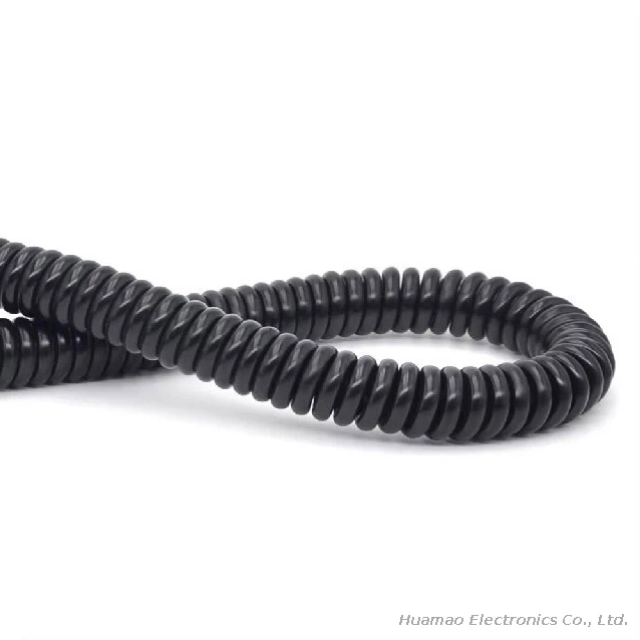
Many industrial settings involve exposure to oils, solvents, and cleaning agents. Cable insulation that reacts poorly to these substances may swell, soften, or lose strength over time. Silicone cables are commonly chosen in workshops and processing areas because silicone rubber maintains stable performance when exposed to a range of industrial contaminants.
This resistance helps prevent insulation breakdown caused by incidental splashes or airborne oil mist, which is particularly important in manufacturing lines and equipment rooms where cleanliness and reliability are both priorities.
Even with chemical-resistant insulation, thoughtful routing and protection are still necessary. Positioning cables away from drip lines, using protective sleeves, and avoiding direct exposure to aggressive cleaning processes all contribute to longer service life. Silicone cables provide a strong foundation, but proper installation practices ensure their benefits are fully realized.
Sensitive electronic devices often require stable insulation performance to maintain signal integrity and electrical safety. Heat cycles within enclosures can cause some insulation materials to expand and contract unevenly, increasing the risk of micro-cracks or insulation fatigue. Silicone cables offer consistent insulation behavior under thermal cycling, which helps protect sensitive electronics from intermittent faults.
For control panels, measurement equipment, and compact electronic assemblies, this stability translates into fewer unexpected failures and more predictable system behavior.
In precision-focused environments, reliability and consistency are critical. Certain silicone cable constructions are used in medical-grade or precision equipment contexts because of their flexibility, cleanliness, and stable insulation characteristics. While specific regulatory requirements vary by application, silicone cables are often considered when designers need dependable wiring that performs consistently under demanding conditions.
Despite their many advantages, silicone cables are not ideal for every scenario. Silicone rubber can be more vulnerable to abrasion or tearing compared to harder insulation materials. In installations where cables rub against sharp edges, metal frames, or abrasive surfaces, unprotected silicone insulation may wear more quickly.
This does not eliminate silicone cables as an option, but it does highlight the importance of protection. Using grommets, conduits, or protective sleeves can mitigate abrasion risks and allow silicone cables to perform effectively even in challenging mechanical environments.
Silicone cables are not typically intended for direct burial or continuous immersion unless additional protective layers are applied. In these environments, system-level solutions such as specialized jackets or conduits are required. Understanding these limitations helps users apply silicone cables where they offer the greatest value, rather than expecting them to solve every environmental challenge on their own.
Application scenario | Main stress | Recommended approach | Notes for buyers |
Near motors or heaters | High heat | Silicone cable | Stable insulation under heat |
Robotic or moving parts | Repeated flex | Silicone cable | Reduces cracking over cycles |
Outdoor enclosures | UV and ozone | Silicone cable | Add sealing for moisture |
Industrial workshops | Oils and solvents | Silicone cable | Route away from drip points |
Sharp metal routing | Abrasion | Silicone with protection | Use sleeves or conduits |
Direct burial | Water and pressure | Alternative or added layers | System design required |
The biggest difference made by silicone cables is not in abstract specifications, but in how they solve specific problems tied to heat, movement, and demanding environments. From heat-adjacent machinery to frequently serviced assemblies and outdoor installations, silicone insulation provides flexibility, thermal stability, and reliable electrical performance where standard cables often fall short. As a supplier with extensive experience in wire harness and cable solutions, Huamao Electronics supports customers by providing silicone cable products that match real operating conditions and application needs. If you are evaluating wiring challenges related to temperature, motion, or environmental exposure, understanding where silicone cables truly add value can significantly improve system reliability and reduce long-term maintenance. For project discussions or technical details, please contact us through our website and share your application requirements so we can assist you further.
What types of applications benefit most from silicone cables?
Applications involving high temperatures, repeated movement, or mixed environmental exposure typically benefit the most, especially where flexibility and insulation stability are critical.
Are silicone cables suitable for outdoor use?
They are commonly used outdoors due to their resistance to UV and ozone, but proper sealing and routing are still necessary to manage moisture exposure.
Do silicone cables last longer in moving equipment?
In many cases, yes. Their flexibility reduces insulation cracking caused by repeated bending, which can extend service life in dynamic systems.
When should silicone cables be avoided?
They may not be ideal in high-abrasion or direct-burial environments without additional protection, as mechanical damage or moisture ingress can reduce performance.
