


+86-13826948503 (Bella)
+86-18145725878 (Carven)


Cold temperatures that make insulation crack, compact enclosures that leave no room for stiff wiring, and heat build-up near motors or heaters are common problems engineers and buyers face in real-world projects. In these situations, silicone cables are often introduced not as a luxury, but as a practical solution to reliability risks. Designed to stay flexible and stable where ordinary cables fail, silicone cables have become an essential option in many industrial and commercial applications. As a dedicated supplier of wire and cable solutions, Huamao Electronics provides silicone cable products that help customers solve these challenges while maintaining safety, durability, and long-term performance.
A silicone cable is an electrical wire that uses silicone rubber as its insulation or outer jacket, combined with a conductive core that is typically stranded copper or tinned copper. The silicone material replaces traditional insulation materials such as PVC, allowing the cable to remain flexible and stable across a much wider temperature range. This construction is especially valuable in environments where cables are exposed to heat, cold, or repeated movement.
Silicone cables are widely described as high-temperature cables, but this label can sometimes be misunderstood. A temperature rating indicates how well the insulation material withstands heat without degrading, not that the cable can handle unlimited electrical current or any environment without proper design. Factors such as ambient temperature, airflow, current load, and installation method still play a critical role. Understanding these boundaries helps users apply silicone cables correctly and avoid overestimating their capabilities.
One of the most noticeable advantages of silicone rubber is its ability to stay flexible across extreme temperature changes. In cold conditions where many plastics become rigid or brittle, silicone maintains its elasticity. This makes installation easier in tight spaces and reduces the risk of cracking during maintenance or vibration. For equipment that must operate in both cold storage and warm production areas, this consistency in handling can significantly reduce downtime.
Silicone insulated wire is commonly specified for applications that experience continuous or intermittent heat exposure. Many silicone cables are designed to operate within temperature ranges that extend from extremely low temperatures up to high heat levels. Huamao Electronics’ silicone cable products are engineered to withstand operating temperatures from approximately -55°C up to +200°C, making them suitable for harsh thermal environments such as industrial machinery, heating systems, and power equipment. This thermal stability helps maintain insulation integrity and electrical safety over time.
Electrical insulation performance is often discussed using technical terms such as dielectric strength and insulation resistance. In practical terms, strong insulation means better protection against short circuits, leakage currents, and unexpected electrical failures. Silicone rubber offers reliable insulating properties even when exposed to heat, which helps ensure stable performance in demanding conditions where electrical safety cannot be compromised.
Silicone cables are available in both single-core and multi-core configurations. Single-core silicone insulated wire is often used for straightforward power connections or internal wiring where simplicity and flexibility are priorities. Multi-core silicone cables, on the other hand, combine several conductors within one jacket, making them suitable for control systems, signal transmission, or applications where organized cable routing is required. Choosing between these options depends on the complexity of the electrical system and the space available.
It is important to distinguish between silicone insulated wire and silicone jacketed cable. Insulated wire typically refers to individual conductors that are later assembled into a wiring harness or cable assembly. Jacketed cables include an additional outer layer that provides extra protection against mechanical stress or environmental exposure. In installations where cables are routed through busy enclosures or exposed to potential abrasion, a jacketed silicone cable can offer added reliability.
Depending on the application, silicone cables may include additional features such as braided shielding, fiberglass braid, or reinforced jackets. Shielding is useful in environments where electromagnetic interference could affect signal quality. Fiberglass braid can improve mechanical protection and heat resistance in extreme conditions. These options allow silicone cables to be adapted to very specific technical requirements without changing the core benefits of flexibility and thermal stability.
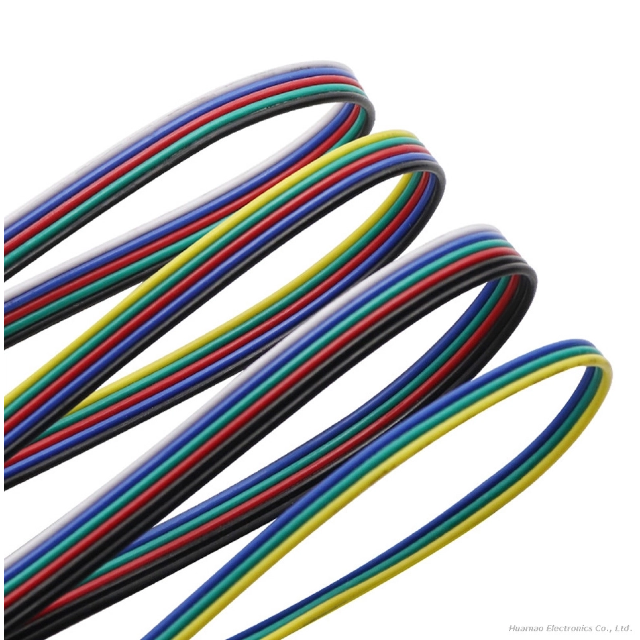
One of the most common uses of silicone cables is in equipment located near heat sources. Heaters, motors, lighting systems, and industrial enclosures often generate temperatures that exceed the safe limits of standard insulation materials. Silicone cables help maintain reliable electrical connections in these environments, reducing the risk of insulation degradation and unexpected failures.
Applications involving constant movement or repeated bending place unique stress on cables. Robotics, hinged doors, moving assemblies, and automated machinery all require wiring that can flex repeatedly without cracking. Silicone cables are well suited for these scenarios because their elasticity reduces mechanical fatigue and extends service life.
Many real-world applications involve a combination of challenges rather than a single extreme condition. Areas with UV exposure, ozone, oil mist, or occasional chemical splashes can quickly degrade conventional cables. Silicone cables are often chosen for these mixed environments because they provide balanced performance across multiple stress factors, making system design simpler and more reliable.
When specifying silicone cables, it is important to distinguish between continuous operating temperature and peak temperature. Continuous temperature refers to the level the cable can handle over long periods, while peak temperature may only be acceptable for short durations. Evaluating the actual ambient conditions of the installation helps ensure the selected cable performs as expected throughout its service life.
Voltage rating and insulation thickness directly affect electrical safety. Higher voltages require thicker or specially designed insulation to prevent breakdown. A simple checklist that includes operating voltage, insulation thickness, and required safety margins can help prevent under-specification. This approach is especially important in industrial systems where reliability and compliance are critical.
While silicone rubber excels in flexibility and heat resistance, it can be less resistant to abrasion or tearing than some harder materials. This does not mean silicone cables are unsuitable, but it does mean routing and protection matter. Using proper cable guides, sleeves, or protective conduits can significantly reduce mechanical damage and extend cable life.
Parameter | What It Affects | What to Confirm | Common Mistake to Avoid |
Temperature | Insulation stability | Continuous and peak ranges | Relying only on peak rating |
Voltage | Electrical safety | Rated voltage and margin | Ignoring derating factors |
Conductor | Current capacity | Copper type and gauge | Undersizing the conductor |
Flex requirement | Service life | Bend radius and motion | Tight routing without relief |
Environment | Durability | Heat, UV, chemicals | Skipping protection methods |
Silicone cables are best suited for applications that demand flexibility, thermal stability, and dependable insulation under challenging conditions. Equipment exposed to heat, cold, vibration, or limited installation space can benefit significantly from silicone insulation when it is specified and installed correctly. As a supplier with extensive experience in wire harnesses and cable assemblies, Huamao Electronics supports customers with silicone cable solutions designed to match real application needs. For detailed specifications or project discussions, customers are encouraged to explore the silicone cable category page and reach out with information about temperature, movement, voltage, and length requirements.
Reliable wiring performance often depends on choosing the right insulation material from the start. For applications that demand flexibility, heat resistance, and stable electrical properties, high temperature silicone cable solutions from Huamao Electronics can provide dependable results. If you are planning a project or evaluating your current wiring design, please contact us to discuss your requirements and explore suitable silicone cable options.
Q1: What makes silicone cables different from standard insulated wire?
Silicone cables use silicone rubber insulation, which stays flexible across extreme temperatures and offers stable electrical insulation where standard materials may harden or degrade.
Q2: Are silicone cables suitable for continuous high-temperature operation?
Yes, when properly specified. Many silicone cables are designed for continuous operation in high-temperature environments, provided current load and installation conditions are correctly managed.
Q3: Can silicone cables be used in moving equipment?
They are commonly used in applications with repeated bending or motion, such as robotics and automated machinery, because their flexibility reduces mechanical stress.
Q4: Do silicone cables require special installation methods?
They do not require special tools, but proper routing, strain relief, and abrasion protection are important to ensure long service life and reliable performance.
