


+86-13826948503 (Bella)
+86-18145725878 (Carven)

Author: Site Editor Publish Time: 2026-02-13 Origin: Site

Most wiring failures in compact machines do not start with poor materials—they start with small installation mistakes that slowly build into serious problems. Pinched insulation, overstressed bends, loose terminations, and abrasion at sharp edges are far more common causes of failure than material defects. In crowded enclosures, even high-performance cables can underperform if they are routed or terminated incorrectly. silicone cables are widely used in tight spaces precisely because they remain flexible and stable where other materials struggle, but they still require correct planning and handling. As a professional wire and cable supplier, Huamao Electronics provides silicone cable solutions designed for compact systems, where proper installation makes the difference between long service life and repeated maintenance.
Successful installation begins before the cable is ever cut to length. In tight spaces, every routing decision matters. Heat zones near motors, transformers, power supplies, or heaters should be identified early, as prolonged exposure can accelerate insulation aging even on heat-resistant cables. Pinch points around hinges, sliding panels, or covers must also be mapped out to prevent compression damage when equipment is opened or closed.
Service loops are another critical consideration. Leaving a controlled amount of extra length at connection points allows future maintenance without pulling directly on terminations. In compact machines, the temptation is often to eliminate slack entirely, but this increases stress at connectors and shortens cable life. Careful route planning balances space efficiency with long-term reliability.
In tight enclosures, cables often compete for the same limited routing channels. Separating power cables from signal or control lines helps reduce electrical noise and improves safety. Even with good insulation properties, running high-current power lines alongside sensitive signal wiring can introduce interference or complicate troubleshooting later. Clear separation during routing simplifies both installation and future servicing.
Bend radius is not an abstract rule; it reflects the physical limits of the conductor and insulation. When a cable is bent too tightly, the conductor experiences localized stress, and the insulation can develop micro-tears that are invisible during installation. Over time, vibration and thermal cycling can turn these small defects into cracks or electrical faults.
Silicone insulation offers superior flexibility compared to many traditional materials, but this does not eliminate the need to respect bend radius guidelines. Even flexible materials have limits, and exceeding them repeatedly increases the risk of failure in confined spaces.
A common rule of thumb is that the minimum bend radius scales with the overall diameter of the cable. Thicker cables generally require larger bend radii to avoid internal stress. However, practical installation should always defer to the manufacturer’s specifications for the specific silicone cable being used. These specifications account for insulation thickness, conductor construction, and intended operating conditions. In tight installations, choosing a cable with an appropriate diameter and flexibility profile can make routing easier without compromising reliability.
Connectors are often the first point of failure in compact systems. Without proper strain relief, pulling forces are transferred directly to the conductor crimp or solder joint. Over time, this can lead to conductor fatigue, intermittent connections, or complete pull-out.
Strain relief techniques such as molded backshells, clamps, or tie-downs help absorb mechanical stress before it reaches the termination. In tight spaces, even simple solutions like securing the cable a short distance away from the connector can dramatically reduce stress during vibration or handling.
Movement control is essential in enclosures that are opened frequently. Hinged panels and access doors place repeated stress on cables if movement is not guided properly. Clamps and grommets help control cable motion and prevent rubbing against sharp edges. Service loops, when designed correctly, allow movement to occur gradually rather than concentrating stress at a single point.
In compact machines, these small installation details are often overlooked, yet they play a major role in extending cable service life and reducing unexpected downtime.
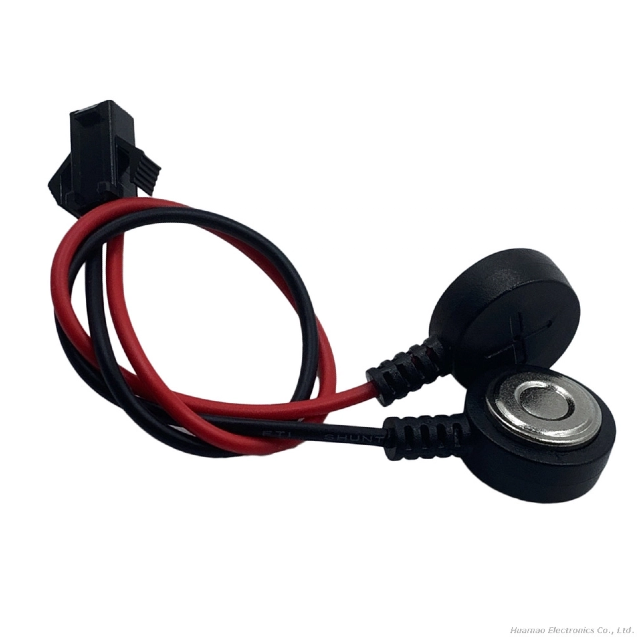
While silicone insulation excels in flexibility and thermal stability, it can be more vulnerable to abrasion or tearing than harder materials if left unprotected. In tight spaces, cables are often routed close to metal frames, brackets, or fasteners. Vibration can cause continuous rubbing at these contact points, gradually wearing away insulation.
Recognizing abrasion risks during installation is critical. Identifying sharp edges and vibration zones allows installers to add protection before damage occurs, rather than reacting after a failure.
Protective measures do not need to be complex or expensive. Sleeving, flexible conduit, and edge guards provide effective barriers between silicone cables and abrasive surfaces. These additions are especially valuable in compact equipment, where space constraints increase the likelihood of contact with surrounding components. Simple protection strategies often prevent costly rework and extend the overall lifespan of the wiring system.
High-quality terminations are essential for reliable performance. Crimp connections should be consistent and matched to the conductor size and connector type. Poorly formed crimps introduce resistance and weaken the mechanical connection, increasing the likelihood of failure under vibration.
Basic pull testing during installation provides a quick verification of crimp quality. While not a substitute for laboratory testing, this simple check helps catch obvious issues before equipment is powered on.
When soldering silicone insulated wire, heat control is critical. Excessive heat can damage insulation near the joint, even on high-temperature materials. Using appropriate soldering techniques, controlling dwell time, and allowing joints to cool naturally helps preserve insulation integrity. Rework should be minimized, as repeated heating increases the risk of insulation degradation in tight spaces.
Before applying power, a thorough visual inspection should be performed. Check that cables are not pinched, bent beyond their recommended radius, or routed against sharp edges. Verify that strain reliefs are properly installed and that service loops allow for expected movement. In compact systems, this final review often reveals small issues that are easy to fix before they become serious problems.
Basic electrical checks provide additional confidence. Continuity testing confirms proper connections, while simple insulation resistance checks help identify accidental damage during installation. These tests do not require specialized laboratory equipment and can be performed as part of routine commissioning procedures.
Step | Do | Don’t | Why it matters |
Routing | Plan paths and avoid heat traps | Force cables into corners | Reduces stress and heat exposure |
Bending | Follow specified bend radius | Create tight or repeated bends | Prevents micro-damage |
Termination | Use proper strain relief | Leave connectors unsupported | Avoids pull-out and fatigue |
Protection | Add sleeves or guards | Leave cables rubbing on metal | Prevents abrasion |
Testing | Inspect and test before power | Skip final checks | Catches issues early |
Installing silicone cables in tight spaces is not simply about choosing a flexible material; it is about applying that material correctly. When routing is planned carefully, bend radius respected, strain relief applied, and abrasion risks addressed, silicone cables deliver their full benefits in compact systems. Huamao Electronics supports customers with silicone cable products engineered for high flexibility, thermal stability, and reliable electrical performance in demanding installations. For projects involving crowded enclosures or compact machines, correct installation practices combined with the right cable design lead to longer service life and fewer failures. If you are working with limited space and challenging routing conditions, flexible silicone cable solutions from Huamao Electronics can help achieve dependable results. Contact us to discuss your application details and explore suitable silicone cable options.
What makes silicone cables suitable for tight spaces?
Their flexibility across a wide temperature range allows easier routing and reduces stress in compact enclosures compared to stiffer insulation materials.
How important is bend radius when installing silicone cables?
Bend radius remains critical. Exceeding recommended limits can damage conductors and insulation over time, even with flexible materials.
Do silicone cables need extra protection in compact machines?
Yes, especially at sharp edges or vibration points. Sleeves and edge guards help prevent abrasion and extend service life.
Can silicone cables be used near heat sources in small enclosures?
They are commonly used in heat-adjacent areas because of their thermal stability, but proper routing and ventilation should still be considered.
